AWS CWI Worked Example: One Question Step by Step
One CWI Part A bend test question, worked in full: the strain formula, the arithmetic, and why each wrong option is wrong. Free sample material.
Read the guide →
Free questions, exam facts and dates, formulas and study plans for engineering certifications. Every fact is checked against the awarding body's own pages.
One CWI Part A bend test question, worked in full: the strain formula, the arithmetic, and why each wrong option is wrong. Free sample material.
Management and Leadership is 17 of the 160 scored CQE questions. See how they are set, with a RACI review worked step by step and a team-stage question.
What the AI Governance Bundle holds, how AIGP and ISO/IEC 42001 differ, one exam trap worked through, and when one kit is the better buy.
Work an API 570 remaining life calculation from two thickness readings, then place the next inspection date, with field practice and exam traps.
How to find and book an API 510 seat at a Prometric test center after your Exam Authorization email, with the reschedule fee tiers and what to bring.
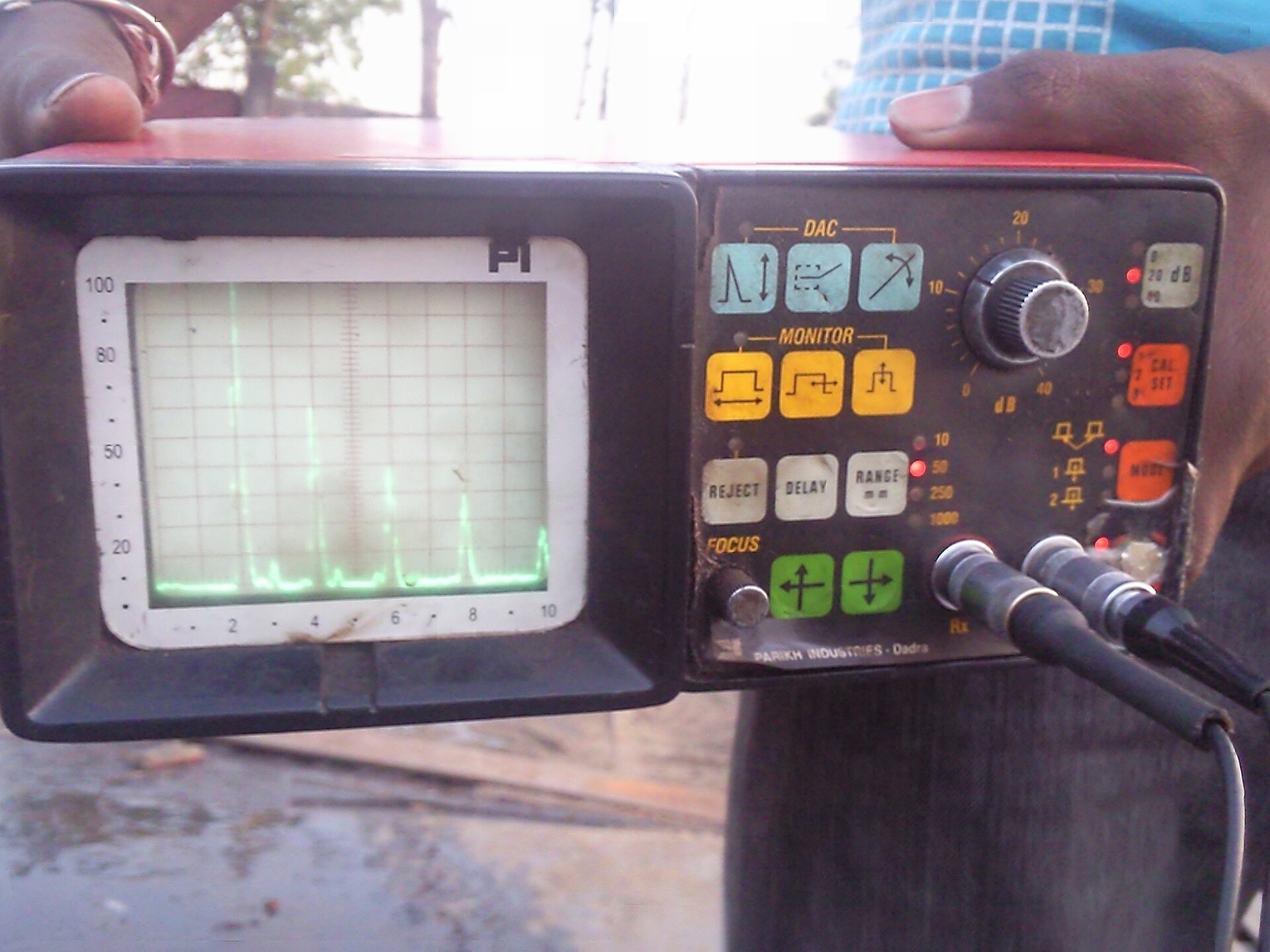
The ASNT UT Level II Complete Exam Kit has a live festive offer until 31 December 2026. See what is inside and how one gain calculation can cost you marks.
One vessel, three thickness readings, two corrosion rates. Work the remaining life both ways and see which number an inspector can defend.
A walk through the five sections of API's 2027 API 570 Body of Knowledge, the publication each one points to, and how to read the map before you study.
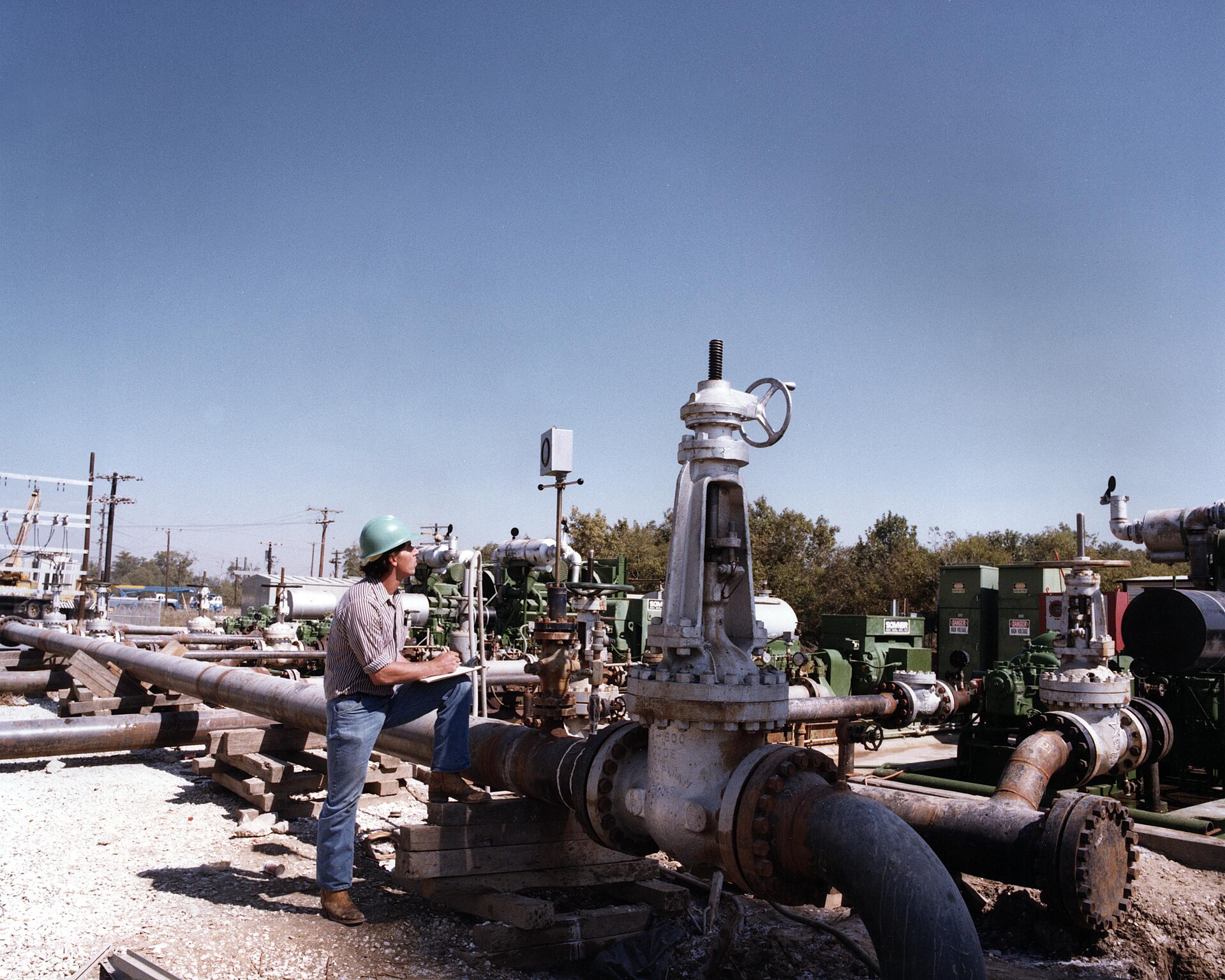
How to work the pressure design thickness of straight pipe the way API's API 570 Body of Knowledge frames it, with one step-by-step case and the traps.
The API 510 body of knowledge has five sections. See what each covers, which publications it points to, and how to study each one for the 2027 windows.
The API 510 Complete Exam Kit has a live festive offer until 31 December 2026. See what is inside and how the exam's two halves shape your practice.
About six weeks to the January 2027 API 510 window: what to do first, when to switch to timed blocks, and how to rehearse the real exam-day rhythm.
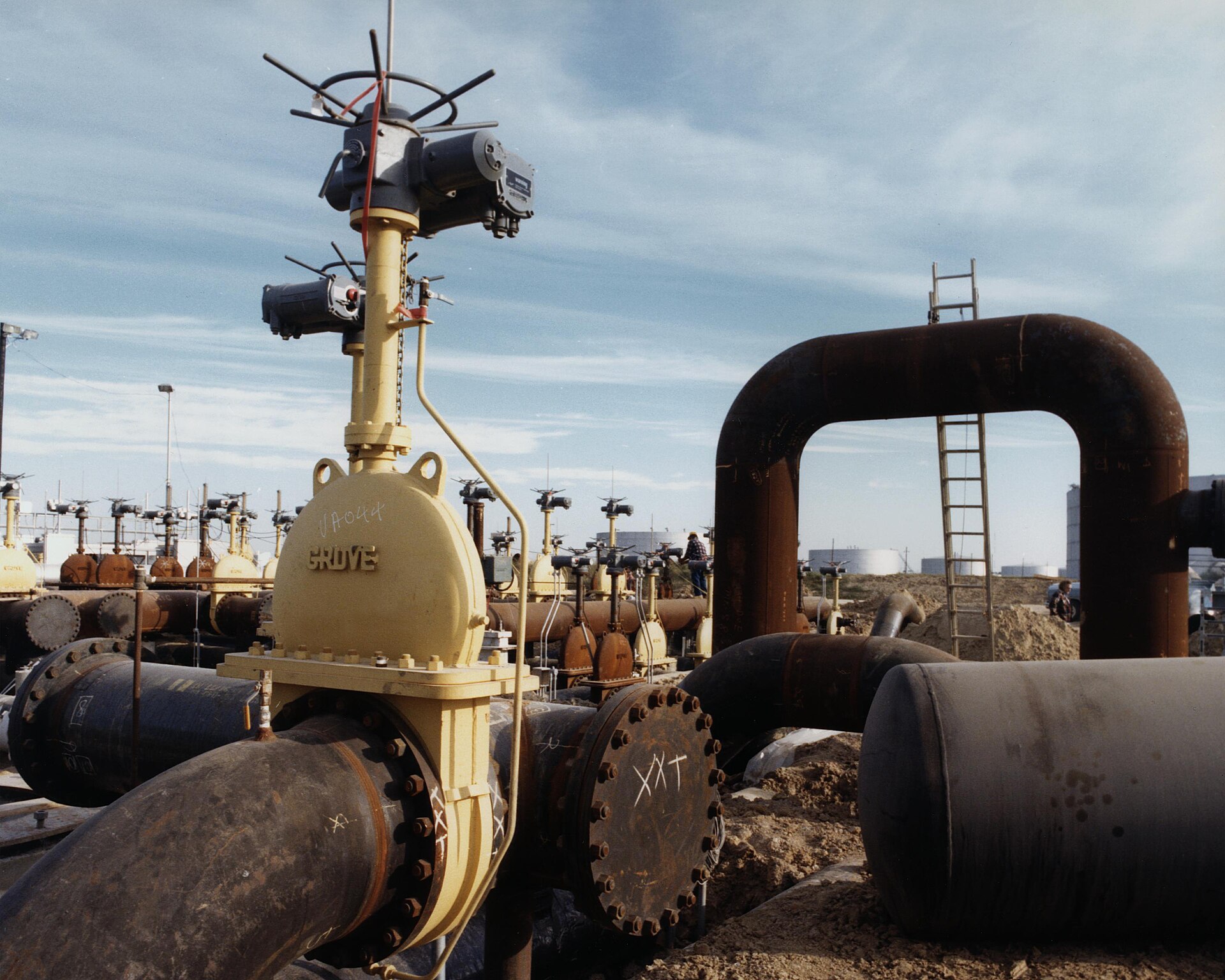
Nine weeks is enough for the January 29, 2027 API 570 window if you count back from the dates. Here is how to split the time, and what to do first.
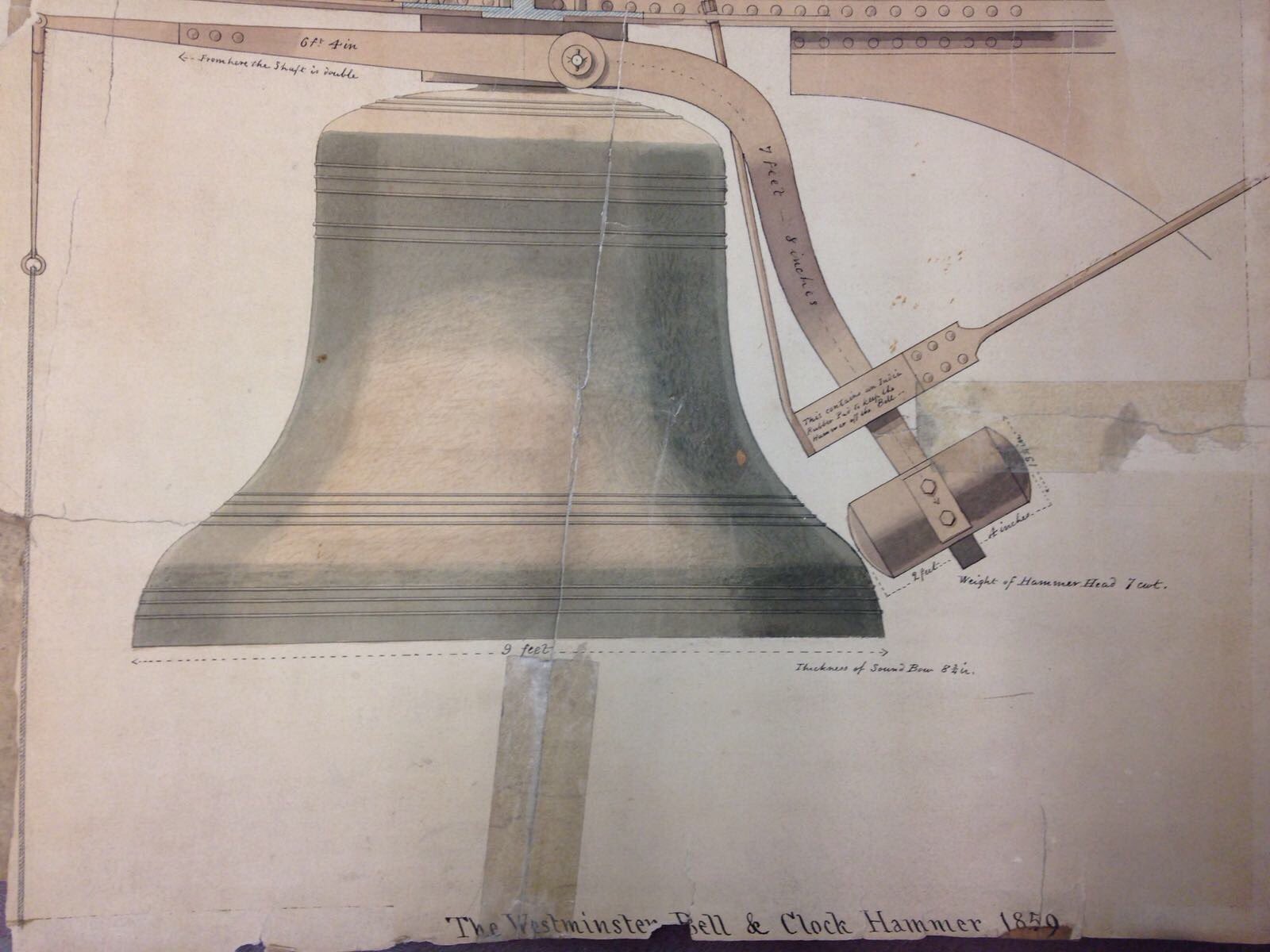
How orientation controls work on real parts, why the zone width is a distance, not an angle, and how ASME GDTP Technologist Section 9 questions are framed.
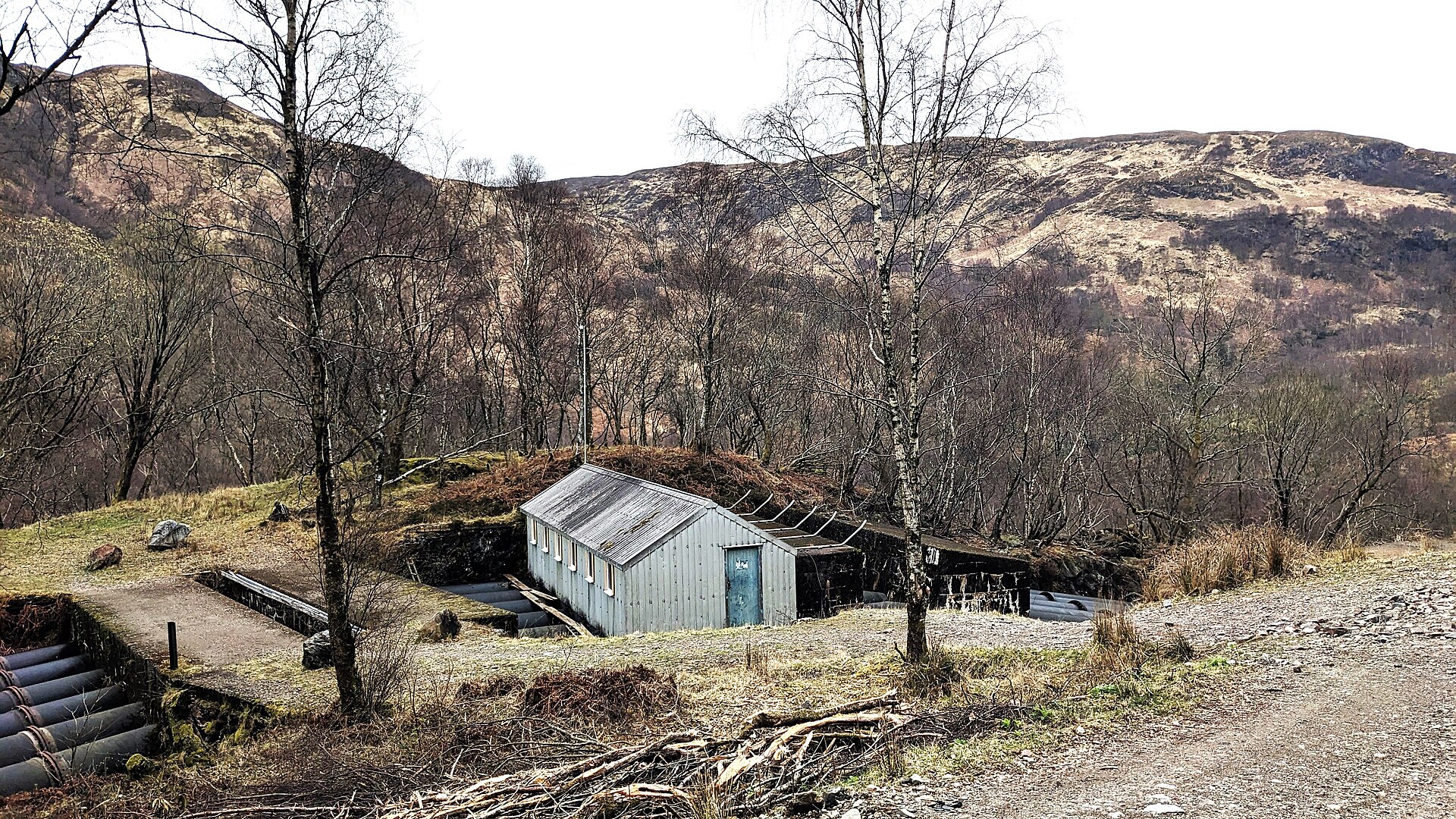
What the API 570 welding section covers: reviewing a WPS, PQR and WPQ under ASME Section IX, the B31.3 rules, and where candidates lose marks.
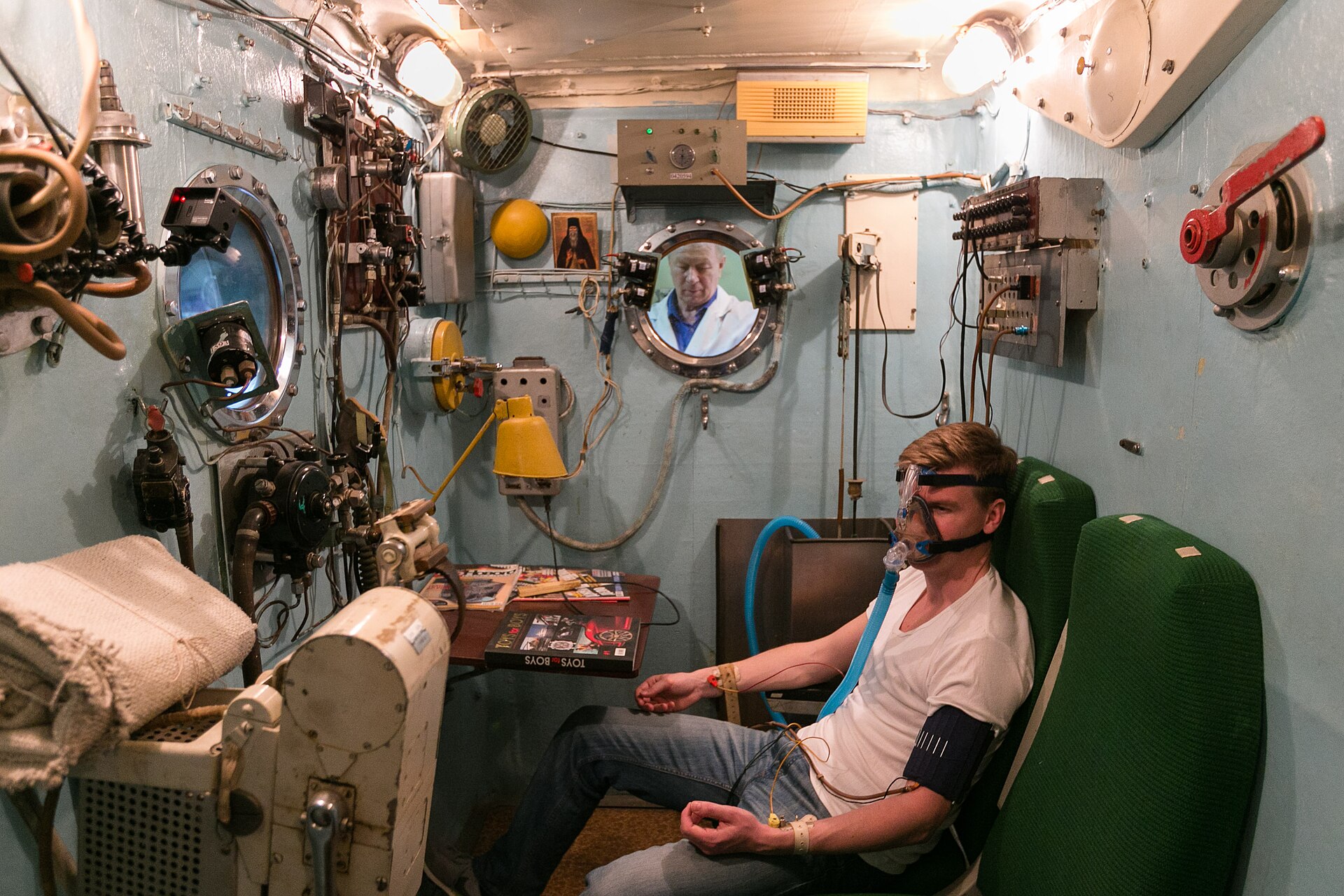
Domain V of the API 510 exam is a list of documents, each with its own scope rule. See what is in, what is out, and how the questions are framed.
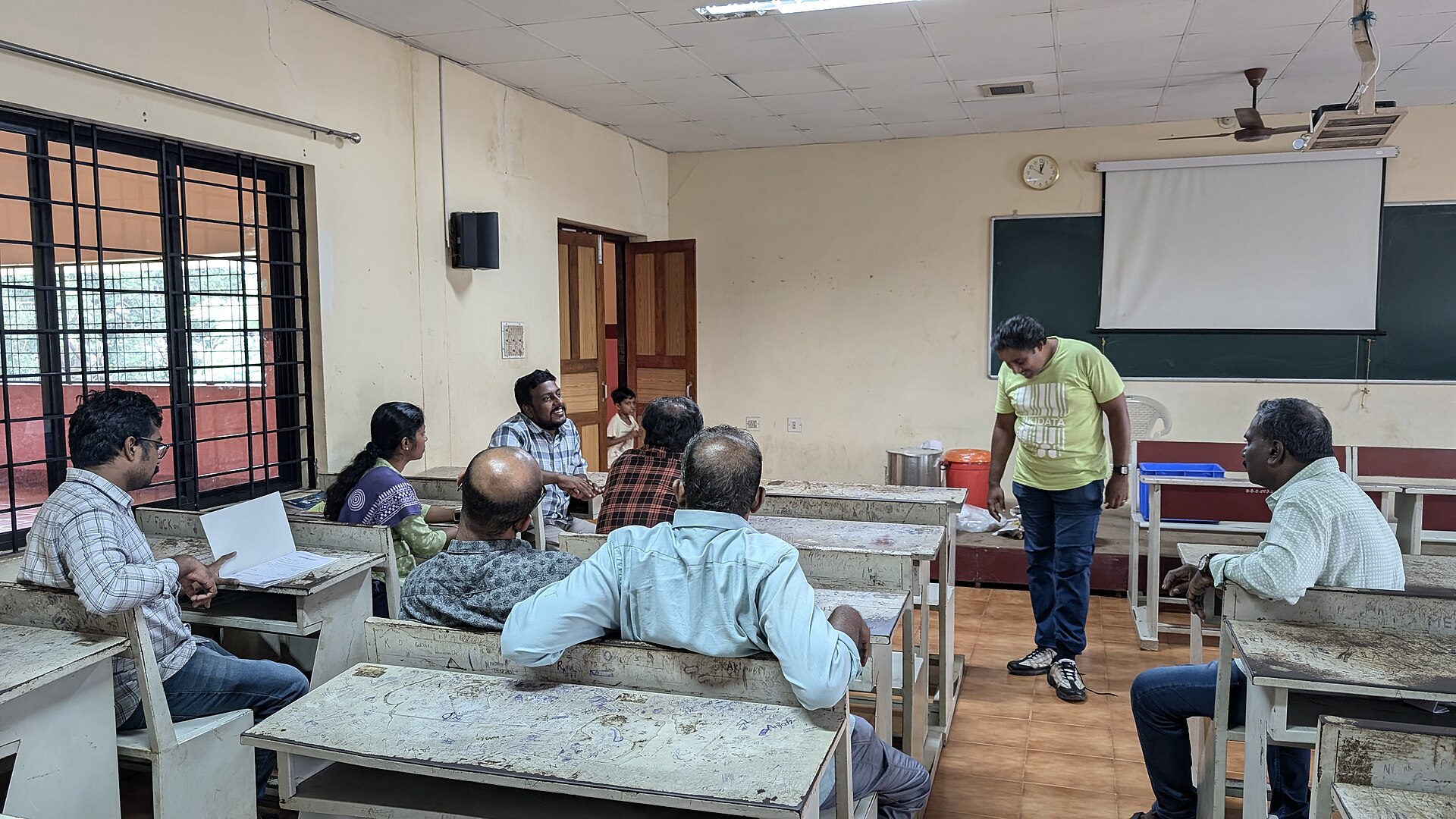
Business Environment is 26% of the 2026 PMP exam across 8 tasks. See what it covers, how projects use it and where candidates lose marks.
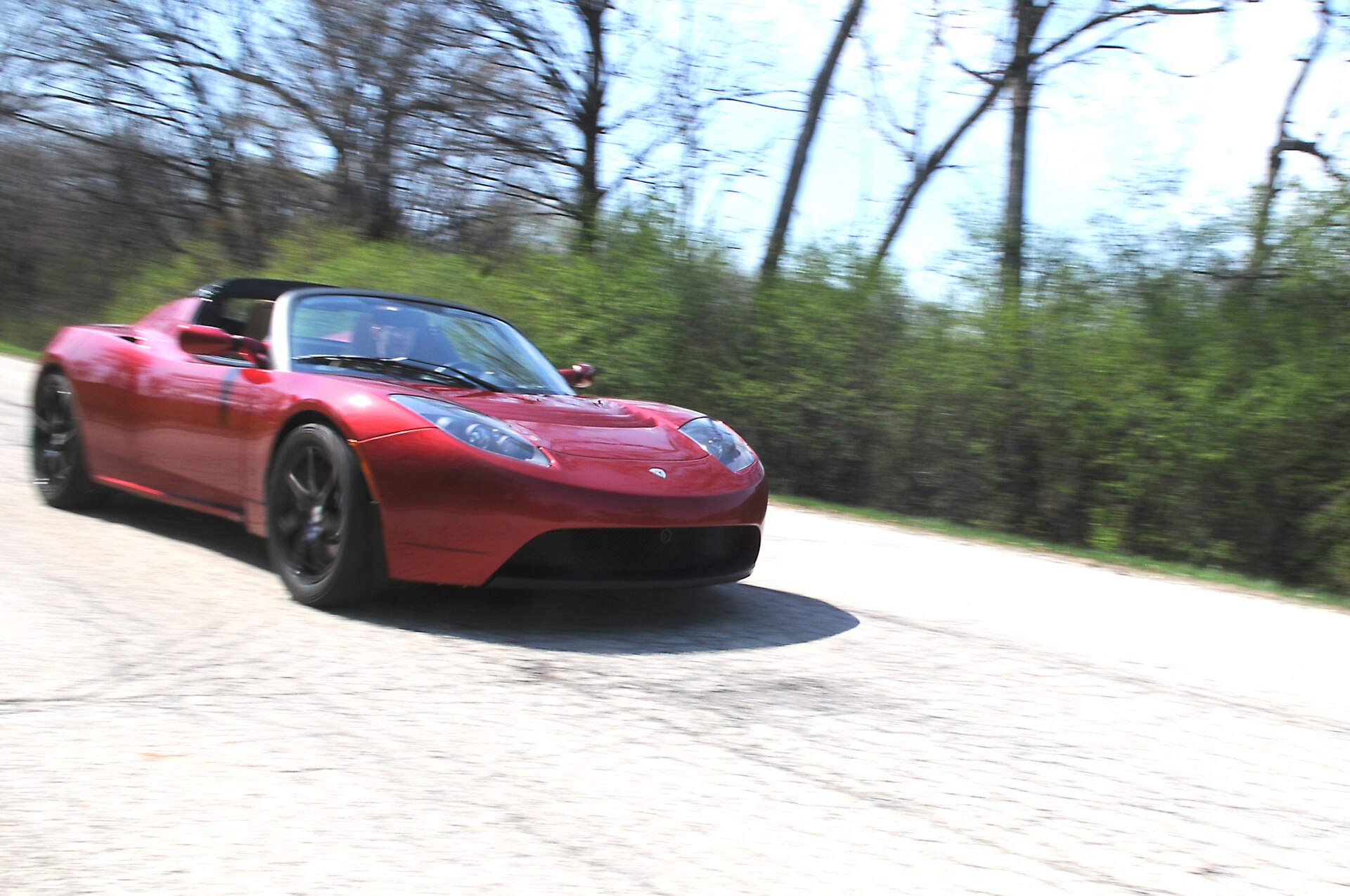
Probability and Statistics for Reliability on the ASQ CRE: censored data, trend tests, stress-strength and confidence, with field practice and exam traps.
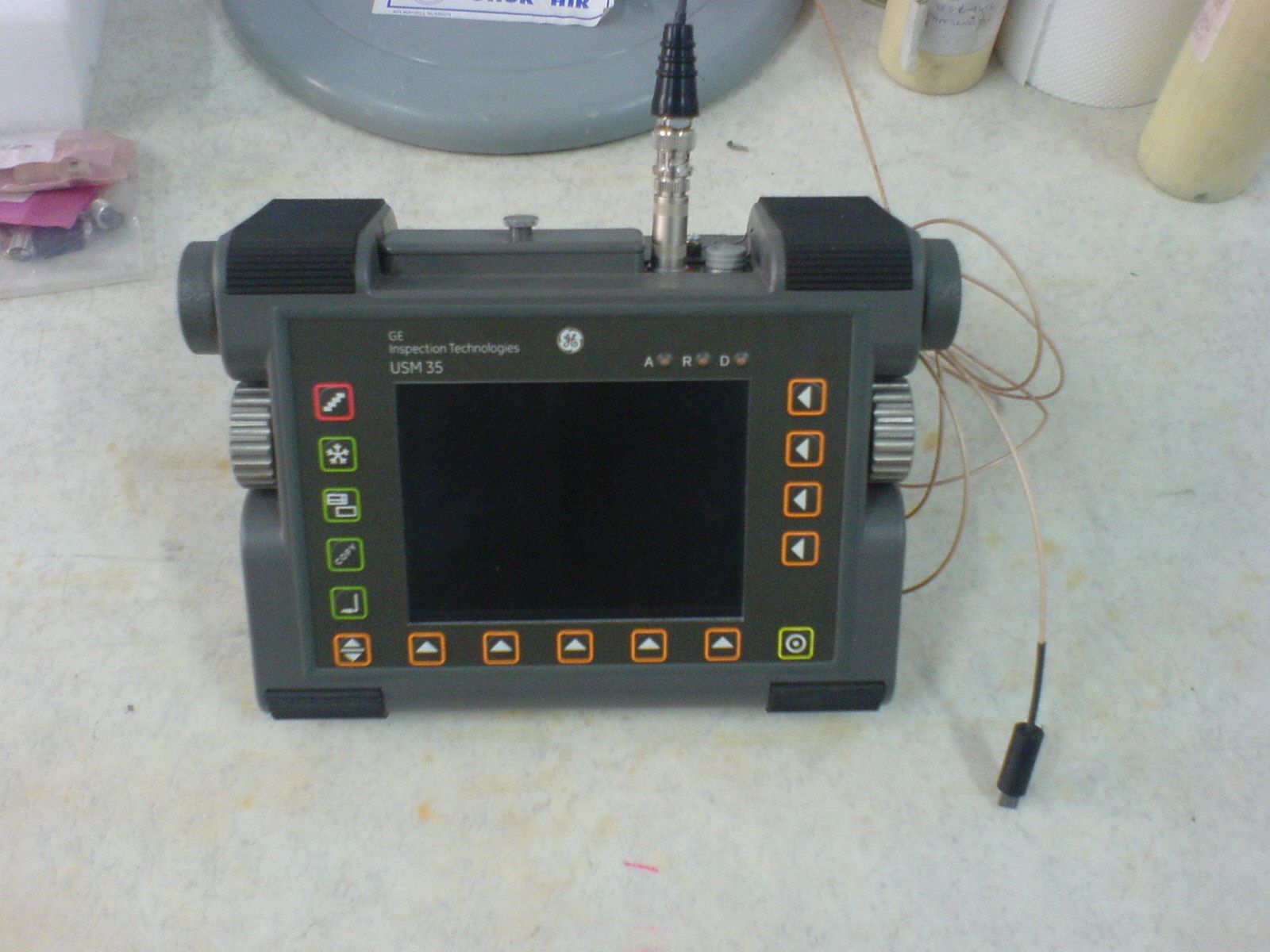
Straight beam, angle beam and through transmission for the ASNT UT Level II exam: half skip on weld roots, bonded panels and how stems frame them.
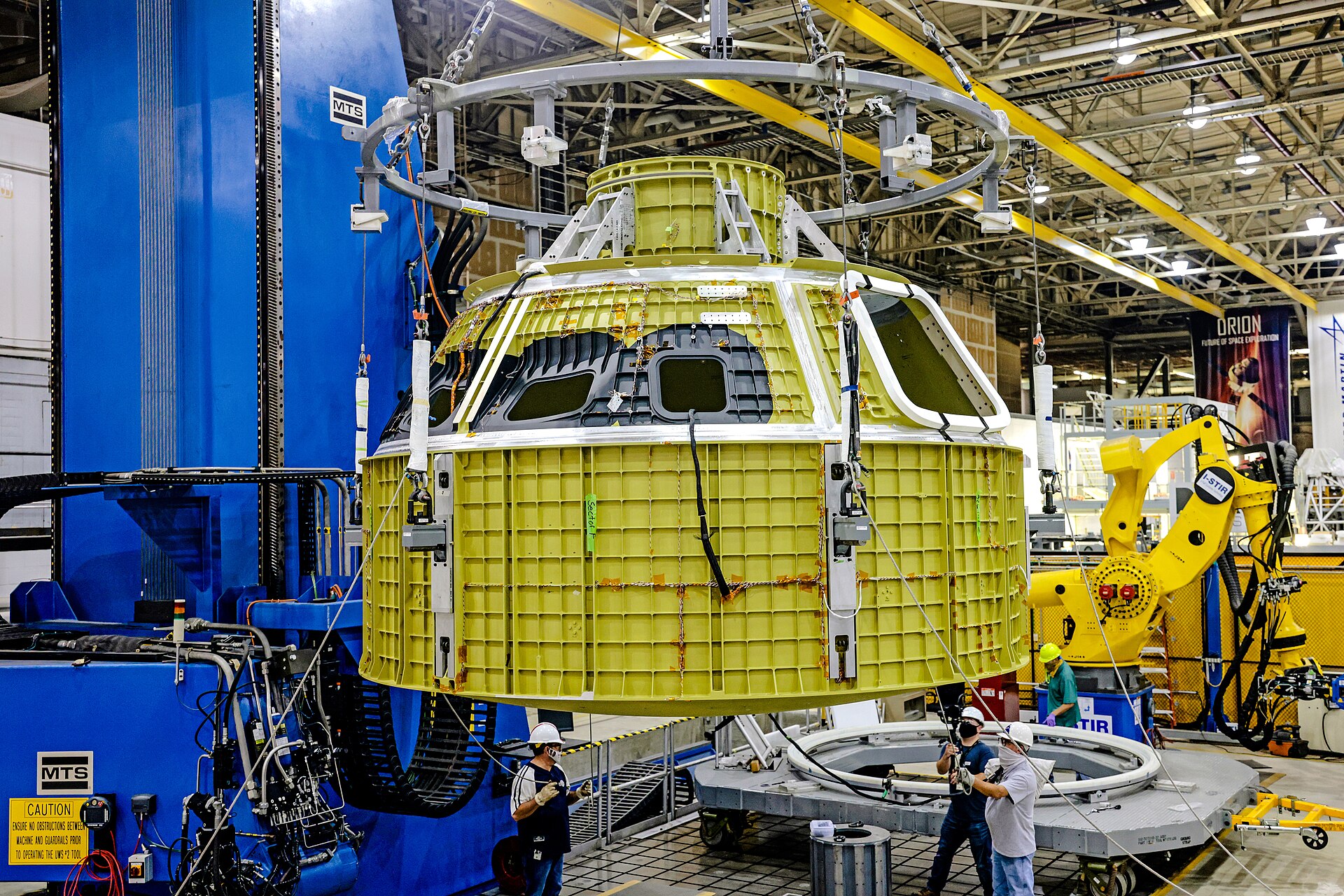
The API Inspector Bundle now includes a full video course for API 510, 570 and 653, with captions, slides and two free preview lessons.
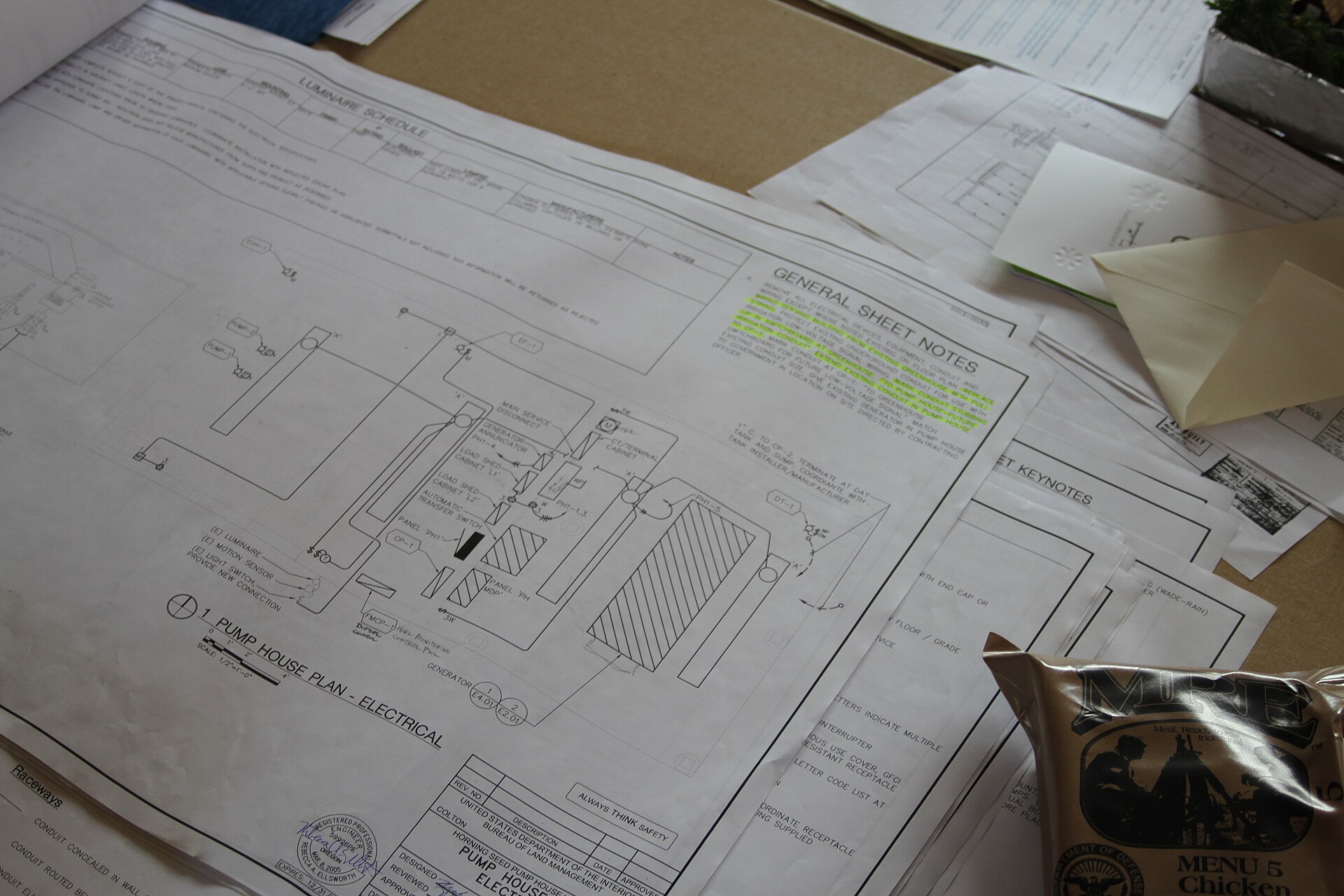
How form tolerances work on real parts, why flatness is a total spread, and how ASME GDTP Technologist questions on Section 8 are framed.
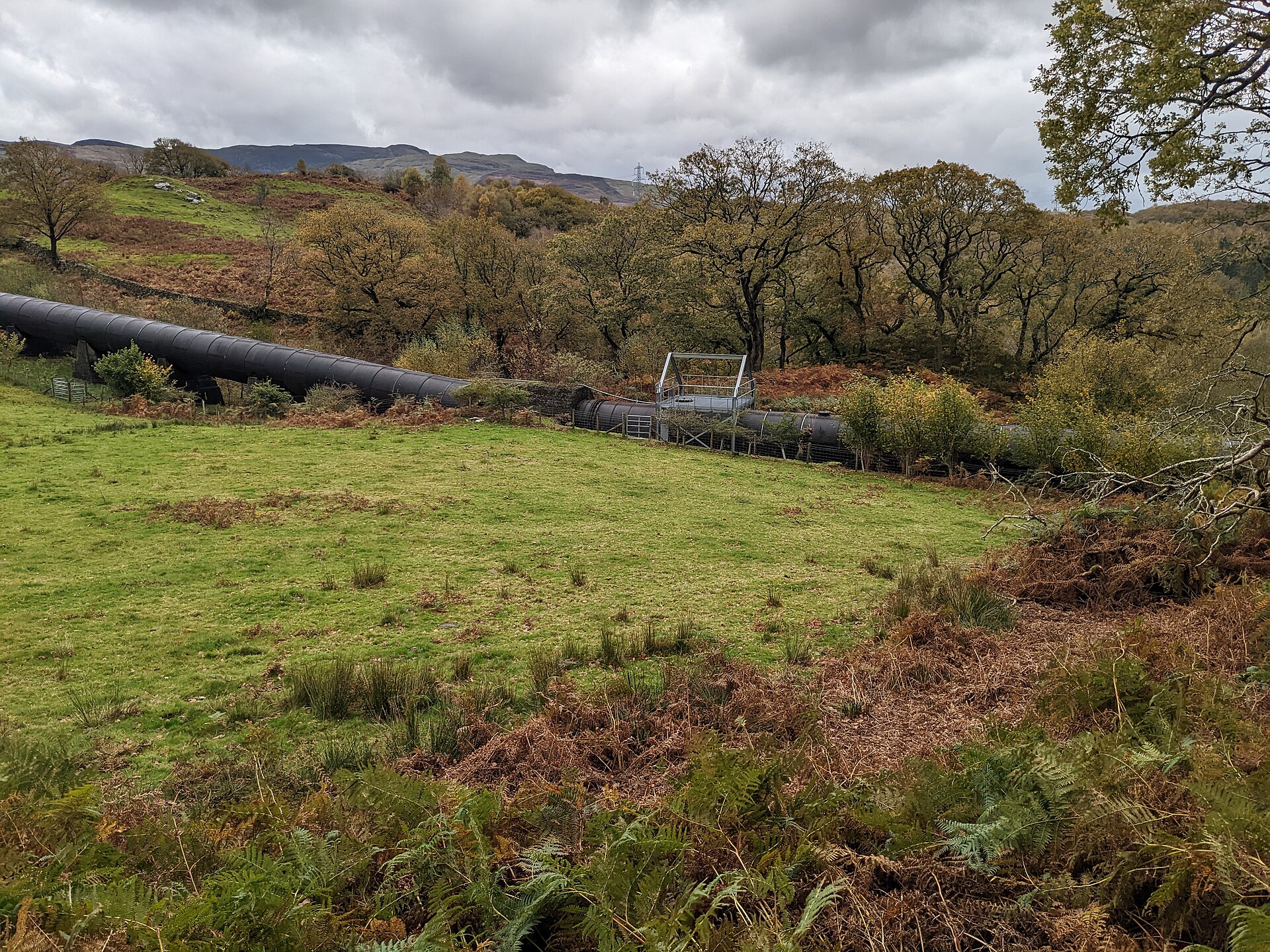
What the API 570 Nondestructive Examination section covers: the ASME Section V articles, how questions are framed, and where candidates lose marks.
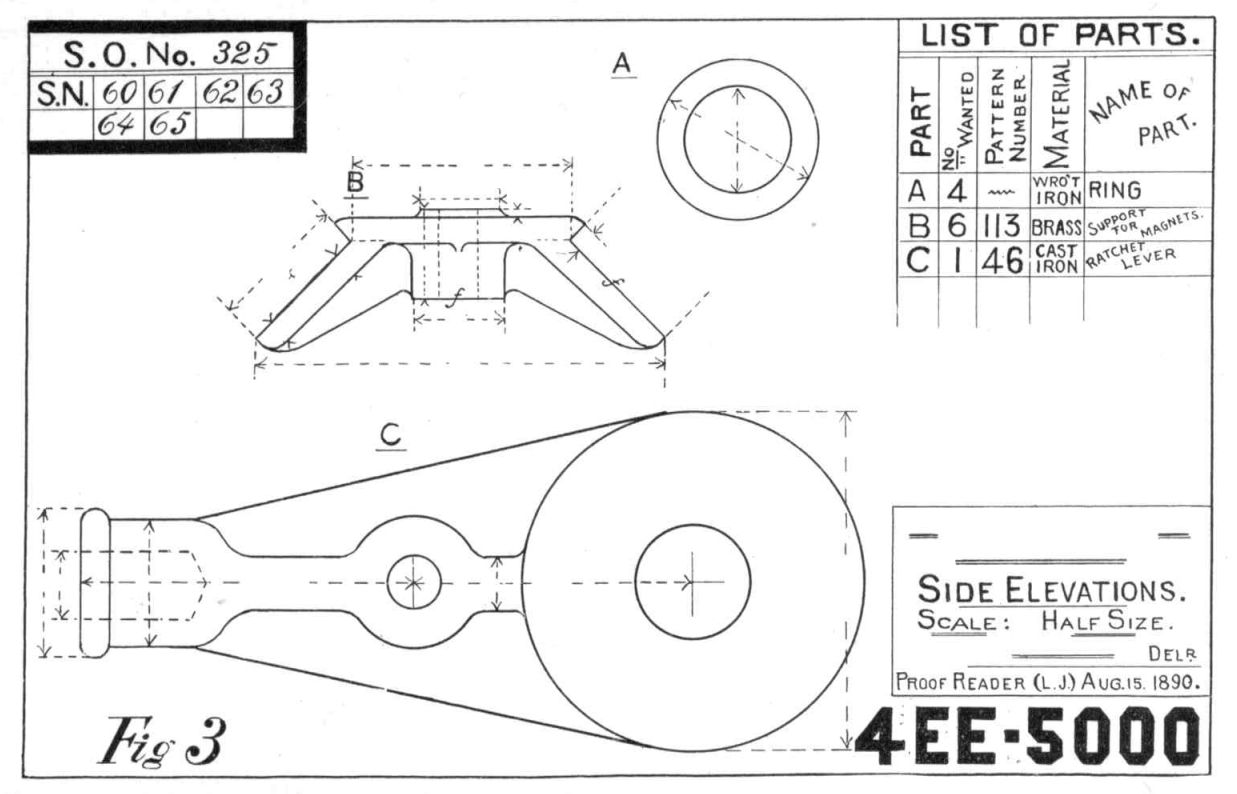
The ASME GDTP Complete Exam Kit now includes a full GD&T video course for both levels, with captions, slides and free preview lessons.
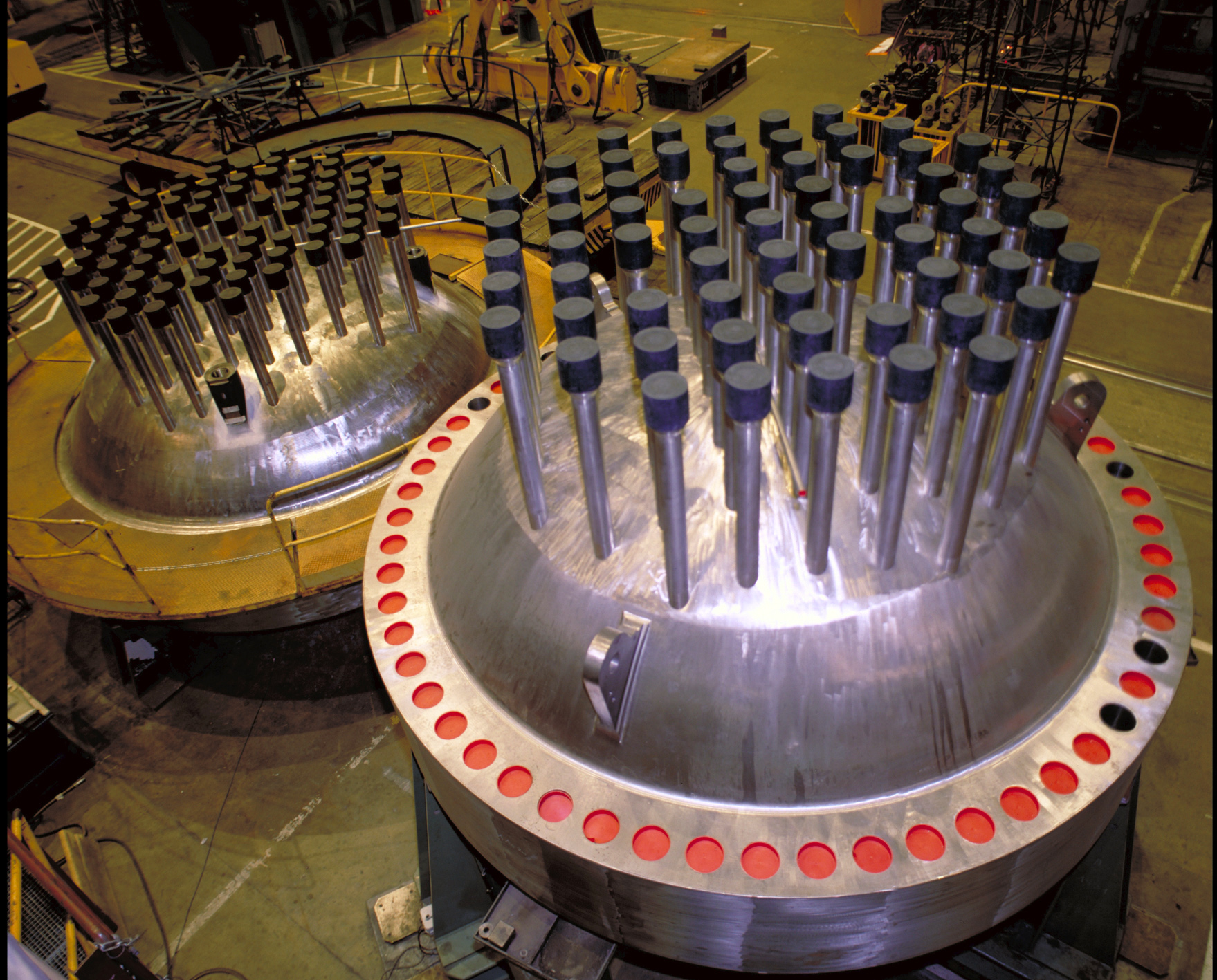
Domain IV of the API 510 exam lists 16 practical topics, from deterioration to repairs and records. See what it covers and how the questions are framed.
Domain V of the API 653 body of knowledge goes document by document. See which topics each reference covers, what is excluded and how questions are framed.
Topic 352 holds 25 of the 60 objective weight on LPIC-3 305-300. See what each objective asks, how admins use it and where candidates slip.
Process carries 41% of the 2026 PMP exam across 10 tasks. See what it covers, how projects use it and where candidates lose marks on plan, scope and value.
Risk Management for the ASQ CRE: fault trees, gate logic, FMEA ranking and open-book traps, with how reliability teams use each on real projects.
Domain III of the API 510 exam covers five ASME Section V articles and the NDE rules in Section VIII and API 510. See what is in scope and where marks go.
Domain IV of the API 653 body of knowledge lists 16 topics and rules out 26 code items. See how inspectors use them on site and how the exam frames them.
ASNT UT Level II eligibility: the experience and training days, which documents count, the fees, and the application steps in MyCert.
Who can sit the ASME GDTP exam, which level needs experience, and the application steps and deadlines, as ASME states them. Worked deadline check included.
Domain II of the API 510 exam asks you to review a WPS, PQR and welder qualification under ASME Section IX. Here is what is in scope and where marks go.
ASME GDTP Technologist format, the 74% and 50% scoring rules, the fee and the clocks that run from purchase to certificate, with a worked score check.
API 510 eligibility by education and experience, how the experience is documented and verified, and how to time the application against the deadline.
Equipment, probes and calibration for the ASNT UT Level II exam: dual element probes, couplant, frequency changes and who may change a setup.
How datum reference frames work on a real drawing, why datum order matters, and how ASME GDTP Technologist questions on the 20% datum section are framed.
What section V of API's API 570 Body of Knowledge lists, which parts of RP 571, 576, 577 and 578 are testable, and how the questions are framed.
Who can earn LPIC-3 305: the active LPIC-2 rule, the 60-question 90-minute exam, how to book it and where candidates slip before they ever sit it.
What PMI's July 2026 outline requires to apply for the PMP: education, months leading projects, 35 training hours, how months are counted and audits.
Who can sit the ASQ CRE: eight years of experience, three in a decision-making role, education waivers, fees, deadlines and where applications get held.
The eight calculation topics in API's API 570 Body of Knowledge, which may be closed book, how inspectors use them, and where candidates slip.
Domain III of API 653 covers ASME Section V articles 1, 2, 6, 7 and 23 plus NDE rules in API 650 and API 653. See what is in scope and where marks go.
LPIC-3 305-300 is 60 questions in 90 minutes, scored 200 to 800 with a pass at 500, and needs an active LPIC-2. Format, weights and booking.
The 2026 PMP exam has 180 questions, 170 scored, in 240 minutes with two breaks. How the sections run, how to pace them, and what the outline does not say.
ASQ CRE on computer: 165 questions, 150 scored, open book, passing at a scaled 550 of 750. Fees, eligibility and the deadline for the January 2027 window.
Three more free API 510 practice questions with full explanations: a penetrant test in the cold, a lap patch and a hydrotest after repair.
A 50-item General and a 40-item Specific exam, 2 hours each, no fixed pass percentage, plus UT fees, retakes and the 2027 outline change.
Who can sit API 570: API's education and experience table, what counts as inspection, 2027 windows, deadlines and fees, and where applications stall.
Who can sit API 653: the education and experience table from API, how to document it, the 2027 deadlines and fees, and the mistakes that sink applications.
Three more free LPIC-3 305-300 questions on AppArmor, Docker storage and libvirt drivers, with how container confinement and libvirt work on real hosts.
Three more free PMP 2026 scenario questions on authority, governance and blockers the team cannot clear, with a way to spot who owns the decision.
Three more free ASQ CRE practice questions with explanations: 2-out-of-3 voting, availability in a contract and series part count.
Three more free ASNT UT Level II practice questions with full explanations, plus the experience, training and application steps that come before the exam.
Three more free ASME GDTP Technologist questions on datum placement, runout and virtual condition, with explanations and the habits behind them.
Three more free API 570 practice questions with full explanations: thinned pipe, repair versus alteration, and preheat. Plus the 2027 dates and fees.
Three free LPIC-3 305-300 practice questions with full explanations, plus how the exam is built, how objectives are weighted and how to use a question.
A phased ASNT UT Level II study plan: what to learn first, how to practise the maths, how to log misses, and how to count back from the exam date.
Three free PMP 2026 scenario questions, one from each domain, with full explanations and a method for reading the stem before you reach the options.
WPS, PQR, WPQ, essential and non-essential variables: the API 653 welding terms candidates swap, with a table and a record-sorting example.
Walk through LPIC-3 305-300 commands by objective: virsh, qemu-img, docker, lxc and cloud-init, with one worked image conversion and the traps.
Three free ASQ CRE practice questions with full explanations: HASS screening, fault trees and stress-strength. Plus exam format, fees and 2026-27 windows.
Finance, schedule and status are three Process tasks in the 2026 PMP outline. See how each is worded, how sites run them and where candidates slip.
Where API 653 calculation questions go wrong: pits in t2, the wrong H and E, unit slips and corrosion allowance, with one worked case.
Hypervisor, HVM, PV, domain, Dom0, qcow2, P2V and V2V: the Topic 351 terms LPIC-3 305-300 candidates swap, with a table and a worked case.
The few reliability formulas the ASQ CRE leans on, one full worked example, how they are used on plants and the traps the exam sets around them.
Align or manage expectations? Engage or communicate? Sort out the People domain terms that PMP 2026 candidates confuse, with a table and a worked case.

API 653 domain II limits welding review to SMAW or GMAW on P-No. 1 steel. See what is in scope, what is excluded and where candidates lose marks.
Ten mistakes that cost marks on LPIC-3 305-300, from misread objective weights to treating containers as small VMs, and how to fix each.
MTBF, MTTF, MTTR, failure rate, hazard rate and three kinds of availability: which ASQ CRE terms get confused, in the field and on the exam.
A phased API 510 study plan built on the body of knowledge: what to learn first, when to switch to timed blocks, and how to keep an error log that works.
Ten mistakes that cost PMP candidates marks, from how the 2026 outline weights domains to how real projects handle change, risk and issues.
A phased ASME GDTP Technologist study plan built on the published section weights, with a datum and bonus tolerance example and the 50% section floor.
Topic 351 carries 25 of the 60 objective weight on LPIC-3 305-300. See what each objective asks, how admins use it and where candidates slip.
The few UT Level II formulas worth carrying: impedance, reflection, transmission and Snell's law, with one worked immersion example and the exam traps.
What an OC curve shows, how the AQL and LTPD fix the producer's and consumer's risks, what AOQ and AOQL mean, and one binomial Pa worked through.

175 questions, 160 scored, 5 hours 18 minutes, open book, passed at a scaled 550: the CQE format, the seven BoK area weights, fees and eligibility.
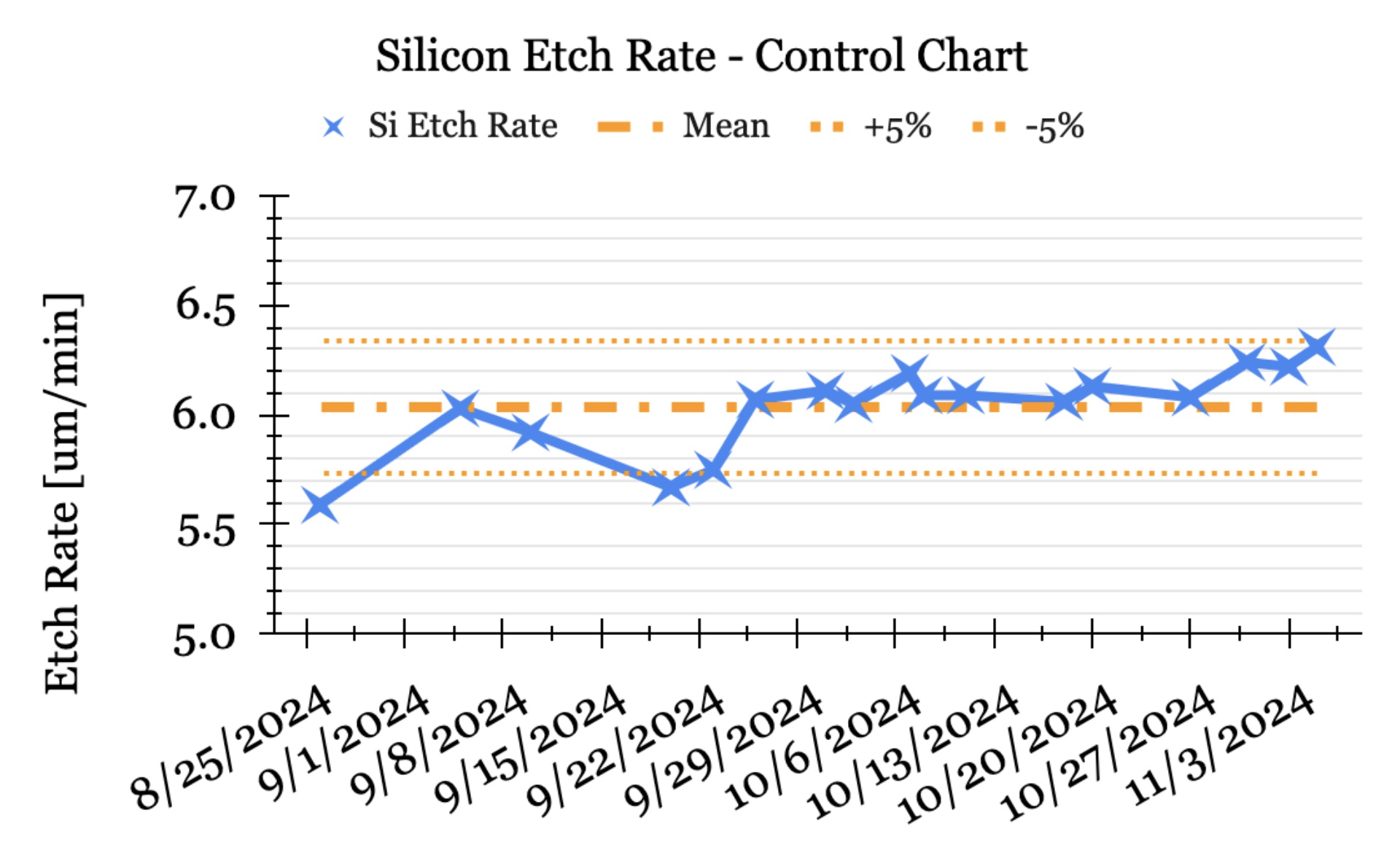
What d2, A2, D3 and D4 mean, their values for subgroups of 2 to 10, and one Xbar-R limit calculation worked through the way the CQE exam asks it.

A CQE formula sheet, condensed: the 25 formulas behind most calculation questions, by family, with when the exam wants each and the mistake to avoid.
How to prepare for the ASQ CQE with full timed mock exams: what the exam tests, a four-step path, a readiness rule, and what good prep material includes.
Ten mistakes that cost ASQ CRE candidates marks: loose binders, the wrong handbook, Weibull on repairable units, MTBF as a median and more, with fixes.
The People domain carries 33% of the 2026 PMP exam. See its 8 tasks, how projects use them, and where candidates lose marks on stakeholders and conflict.
How to sequence API 570 preparation: effectivity sheet first, closed-book formulas next, on-screen code navigation, then one timed rehearsal.
Three free ASNT UT Level II practice questions with full explanations, plus the exam format, fees and field habits behind how they are framed.
Reliability Fundamentals for the ASQ CRE: Weibull shape, MTBF, series and parallel systems and availability, with field practice and the exam traps.
Three free API 510 practice questions with full explanations, plus the exam structure, the September 2026 to May 2027 editions, dates and fees.
A 12-week API 653 study plan built on API's own body of knowledge: what to learn closed-book, what the exam supplies, and when to start timed tests.
Three free API 570 practice questions with full explanations, plus the exam structure, the February 2027 code editions, dates and fees.
Three free ASME GDTP Technologist practice questions with full explanations, plus the section weights, pass mark and drawing habits behind them.
The API 510 remaining life calculation worked on two components, with the field habits behind it and the traps that cost marks on exam day.
Three more free API 653 practice questions on weld records, radiographic markers and thin tank files, with full explanations, plus 2027 dates and fees.
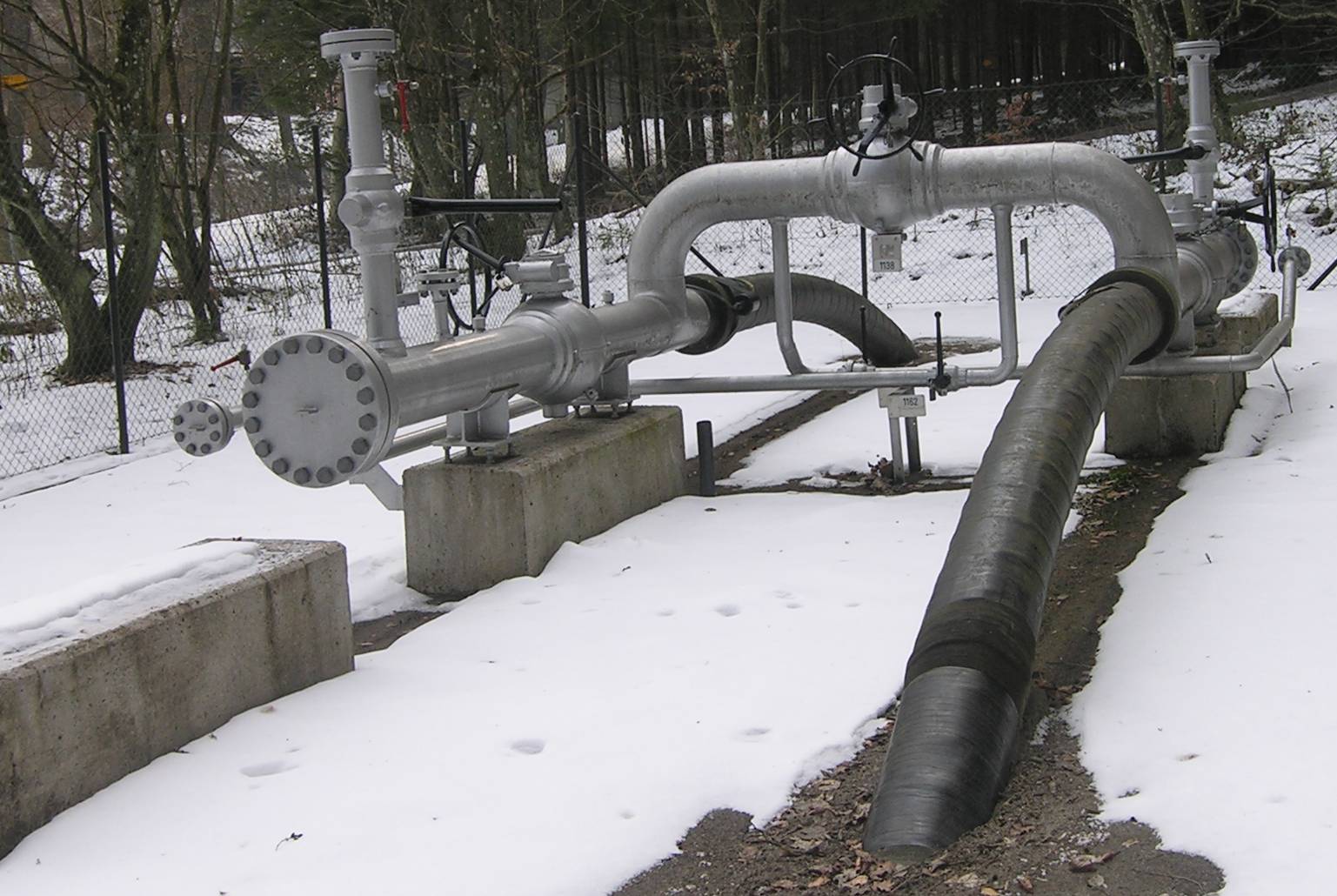
The API 570 corrosion rate, remaining life and interval calculations worked step by step, with the field habits behind them and the traps the exam sets.
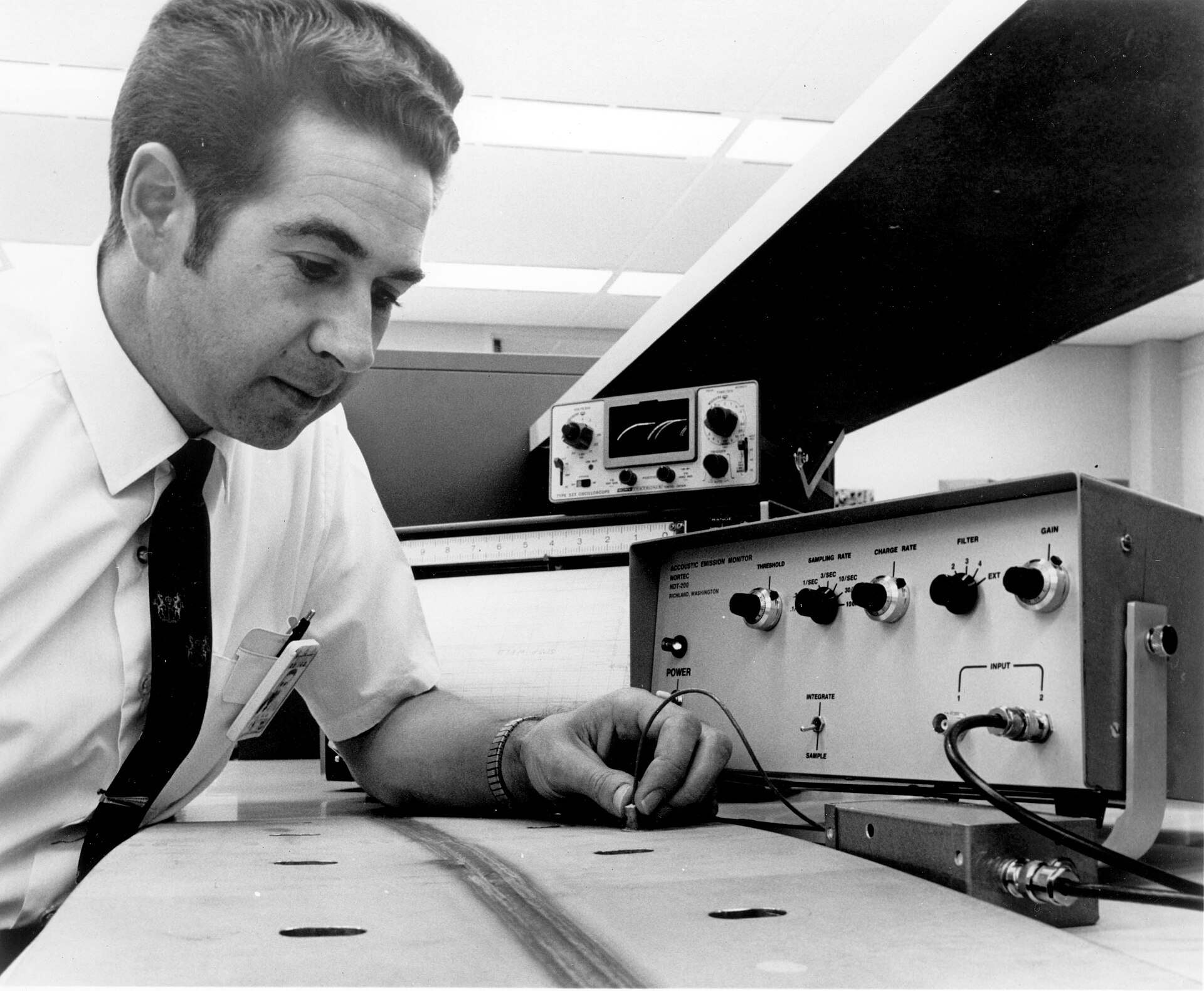
Dead zone vs near field, attenuation vs impedance, gain vs reject: the UT physics terms Level II candidates confuse, with a table and field examples.
The GD&T arithmetic behind the ASME GDTP Technologist exam: virtual condition, bonus tolerance and boundaries, worked step by step with the traps.
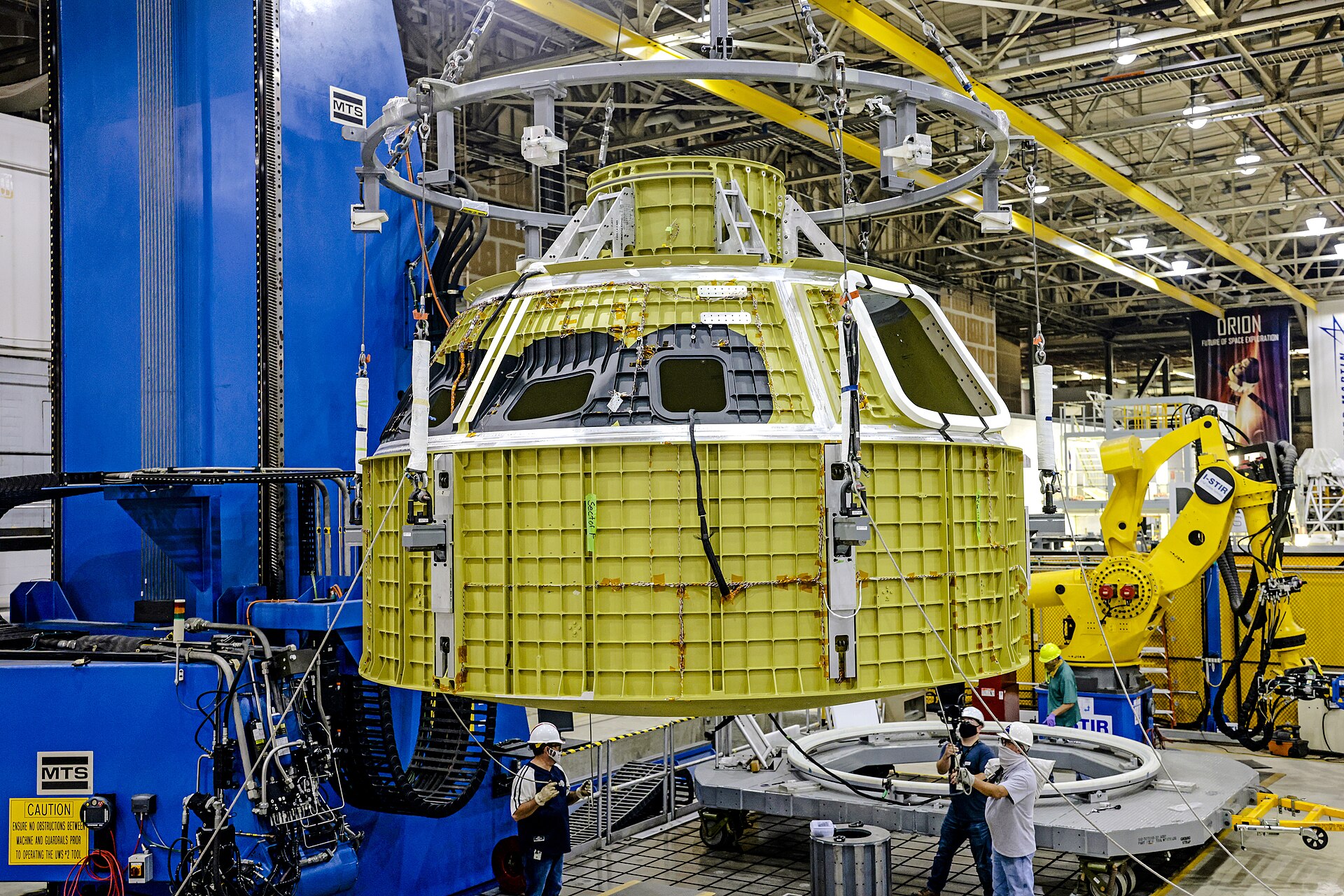
Metal loss, corrosion rate, remaining allowance, remaining life, MAWP, static head and joint efficiency: the API 510 Domain I terms candidates swap.
Corrosion rate and remaining life worked three ways: US units, SI units and a corrosion allowance. See which formulas to know cold and where the traps sit.
Repair or alteration, WPS or PQR, pressure design or required thickness: the API 570 term pairs candidates confuse, with a table and a worked case.
Ten mistakes that cost ASNT UT Level II candidates time, fees and marks, from SNT-TC-1A mix-ups to impedance maths, with the field practice behind each.
Plane or axis, line or surface, flatness or per unit flatness: the GD&T term pairs ASME GDTP Technologist candidates confuse, with a table and worked cases
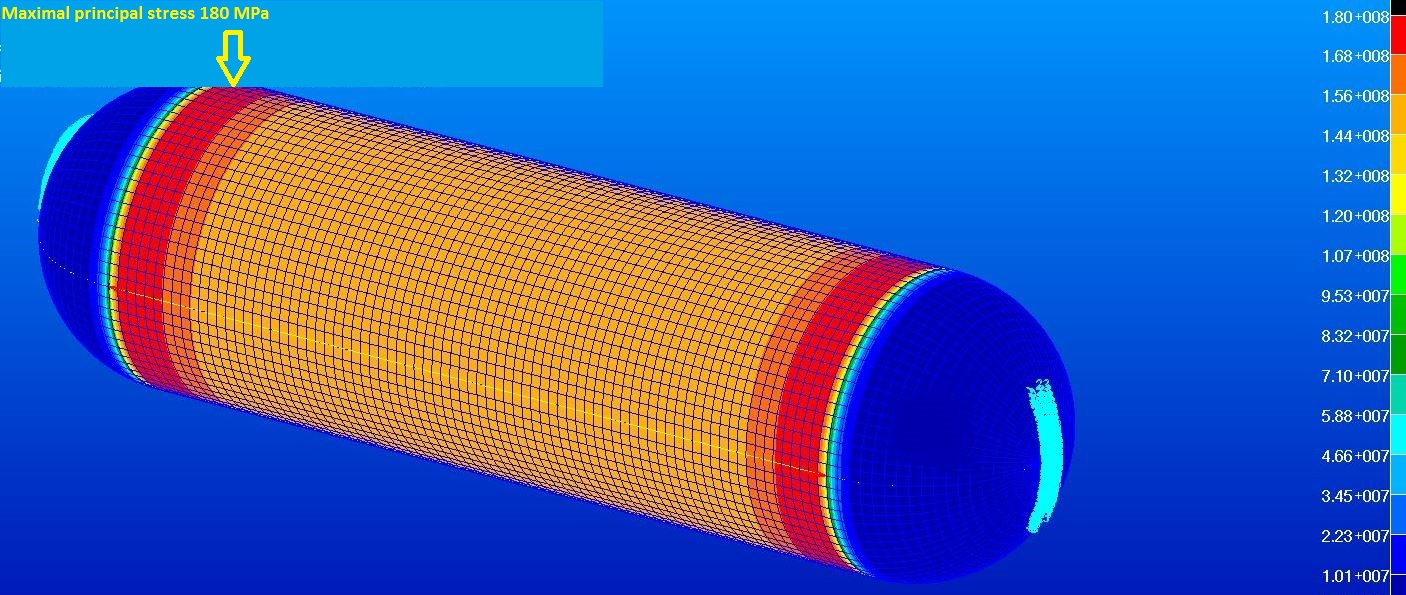
Ten API 510 mistakes that cost candidates marks, from the wrong edition to confusing remaining life with the interval, and how inspectors avoid them.
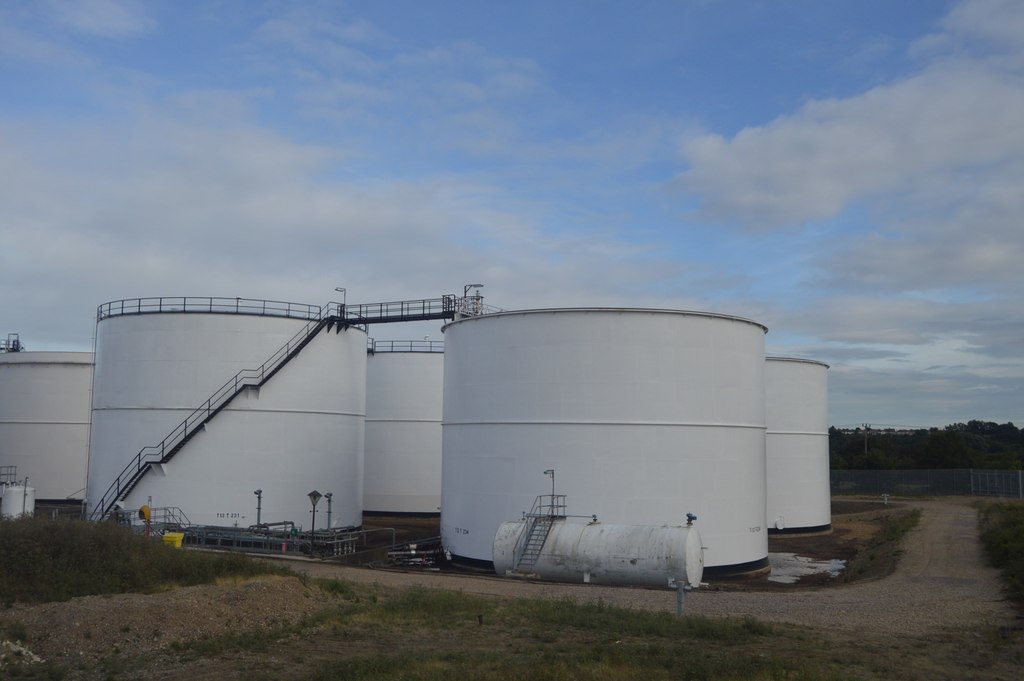
Metal loss, corrosion rate, remaining life, t2, t1, t min, repair and alteration: the API 653 terms candidates swap, with a table and a worked case.
Ten ways API 570 candidates lose marks, from the wrong edition to excluded code sections, with the plant practice behind each one and the fix.
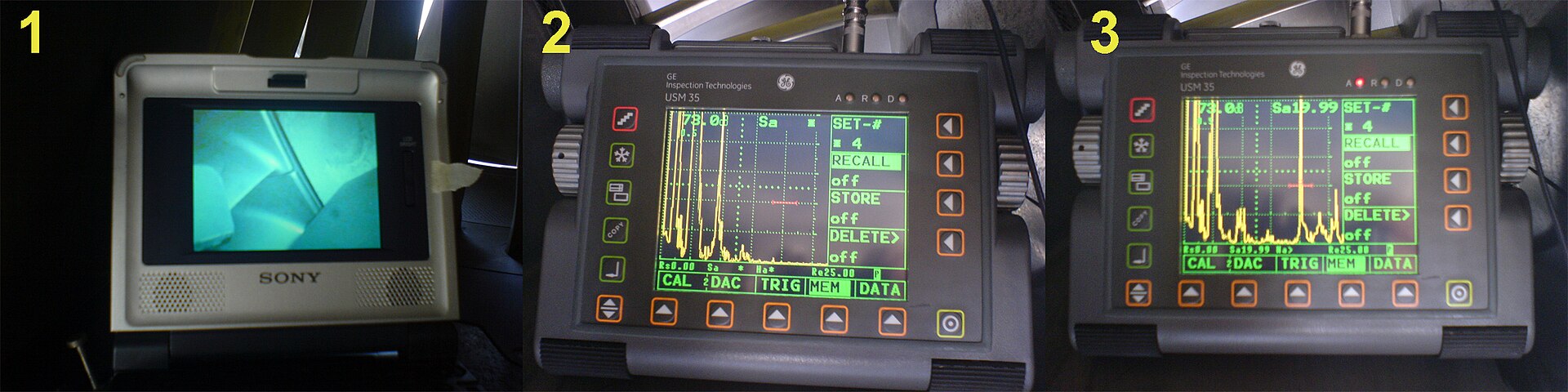
UT physics for the ASNT Level II exam: refraction, dead zone, mode conversion and reflectors, and how each shows up on a weld, a forging and the exam.
Ten GD&T mistakes that cost marks on the ASME GDTP Technologist exam and cause scrap on real drawings, each with the fix and a worked runout and bonus case
Domain I of the API 510 exam covers corrosion rates, remaining life, intervals, joint efficiency, static head and pressure testing. Here is how to work it.
Ten mistakes that cost API 653 candidates marks, from studying the wrong references to misreading thickness pairs, with the fix for each and a worked case.
What API's Body of Knowledge lists under Practical Knowledge General for API 570, how the topics play out on a plant, and where candidates lose marks.
PMP or CAPM? Compare PMI's eligibility rules, exam content and the work each credential matches, with a worked month-counting example.
A quarter of the ASME GDTP Technologist exam is rules, definitions and symbology. See what it covers, how shops use it, and a worked virtual condition case
API 510, 570 and 653 share one exam format and one fee. What separates them is the equipment, the code and the window. Here is how to pick your first.
Fifteen calculation types sit in the API 653 body of knowledge. See which formulas the exam supplies, the traps in each, and a worked remaining-life case.
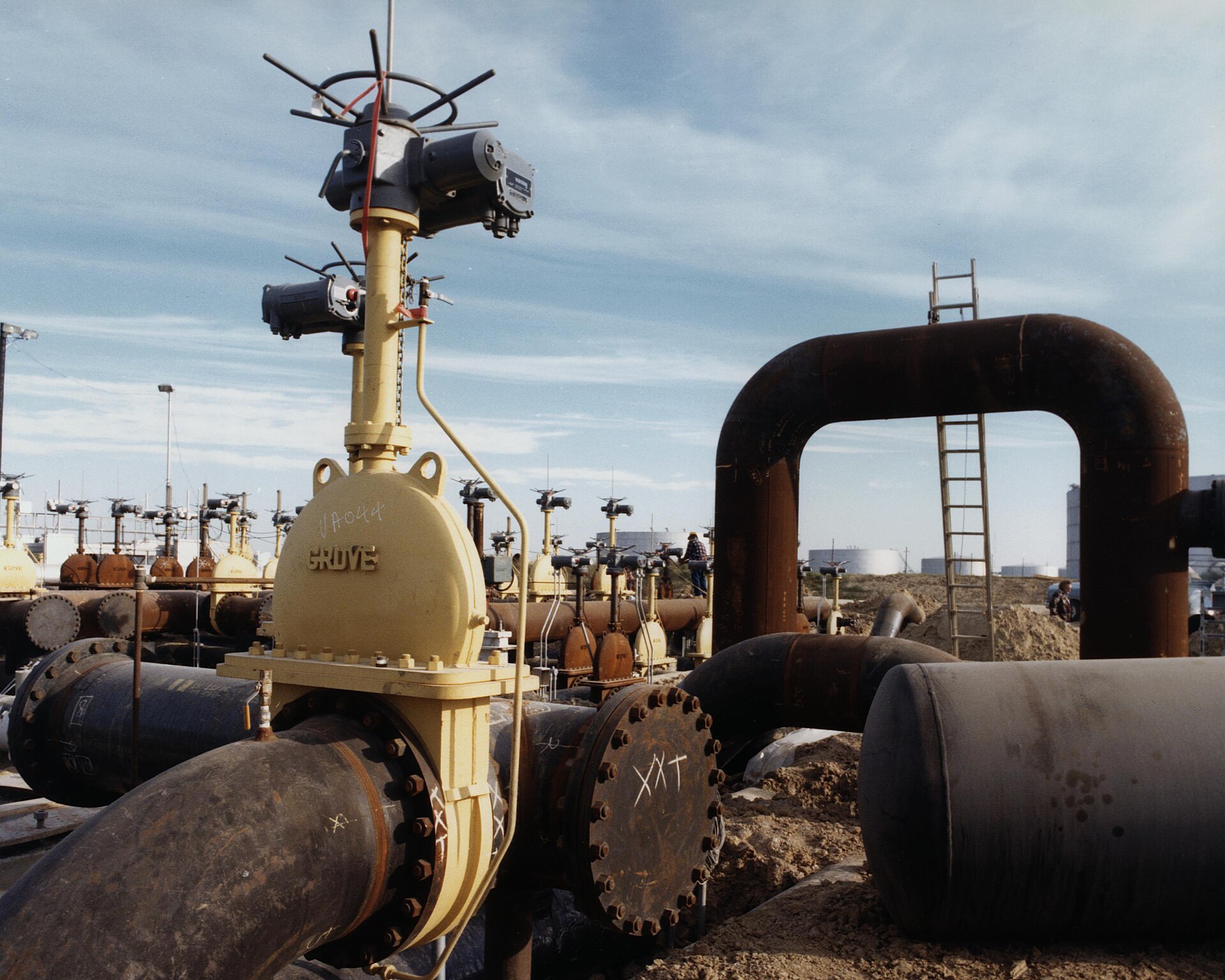
What API's Feb and June 2027 effectivity sheet lists for API 570, which parts of RP 571, RP 576 and PCC-2 are examinable, and how to plan reading.
PMI's July 2026 PMP outline moves the weights to People 33%, Process 41%, Business Environment 26%. What changed, how projects feel it, and how to study.
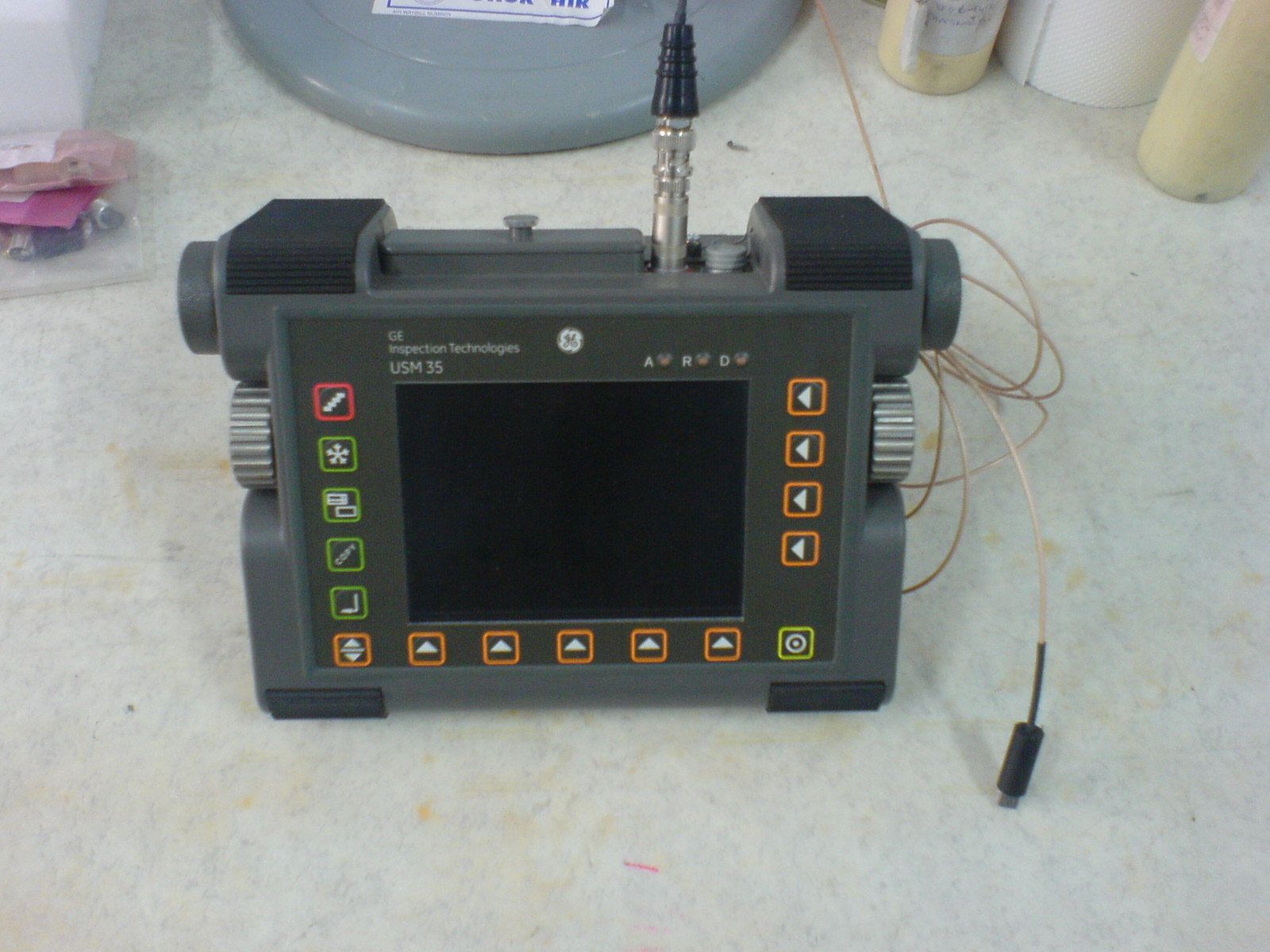
ASNT swaps the UT exam topic list on February 5, 2027: six headings become four groups of tasks. What moves, what stays, and how to plan your date.
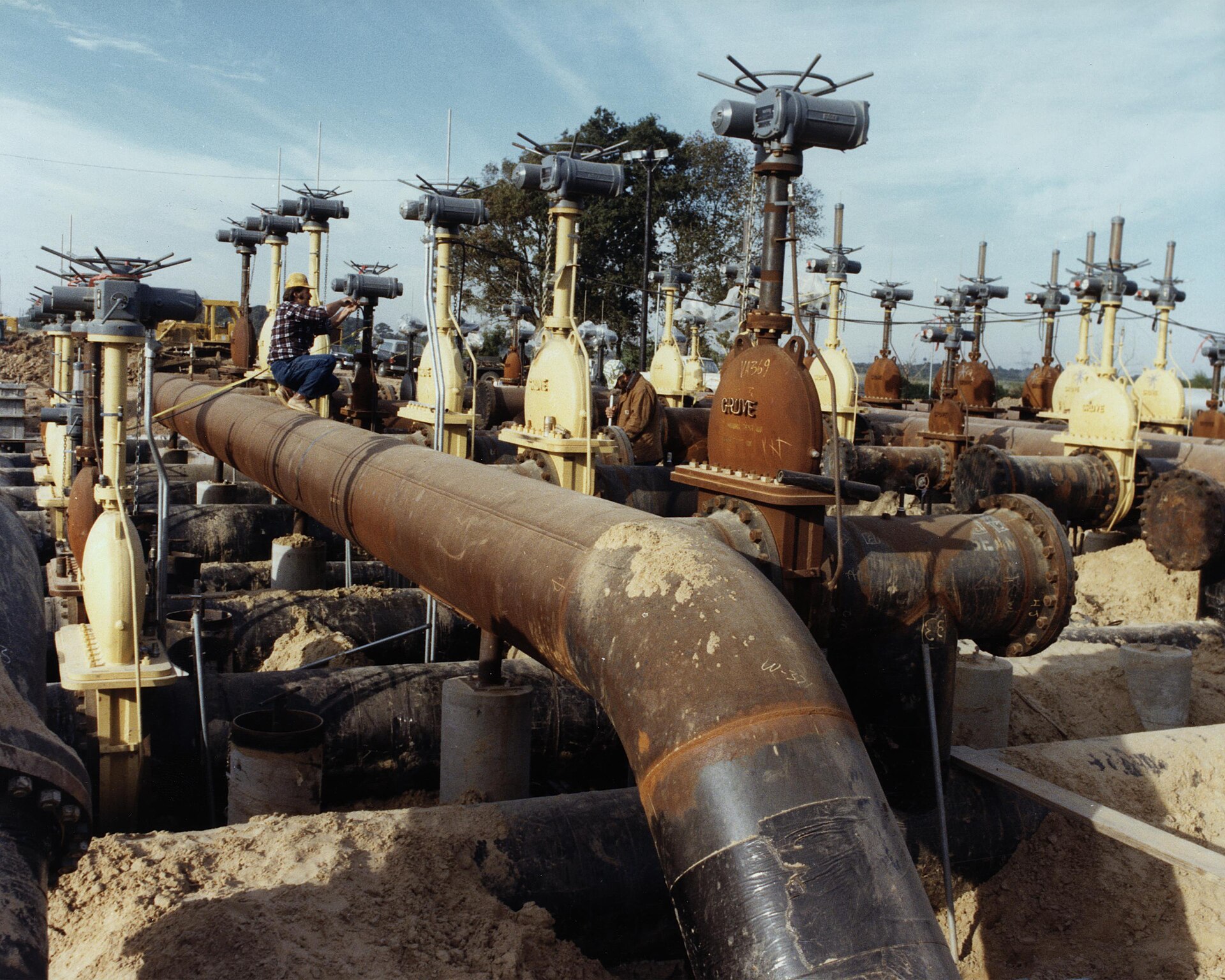
API 570 is 170 questions over a 7.5-hour day, 140 of them scored, passing at a scaled 400. Windows, deadlines, fees and the 2027 editions.
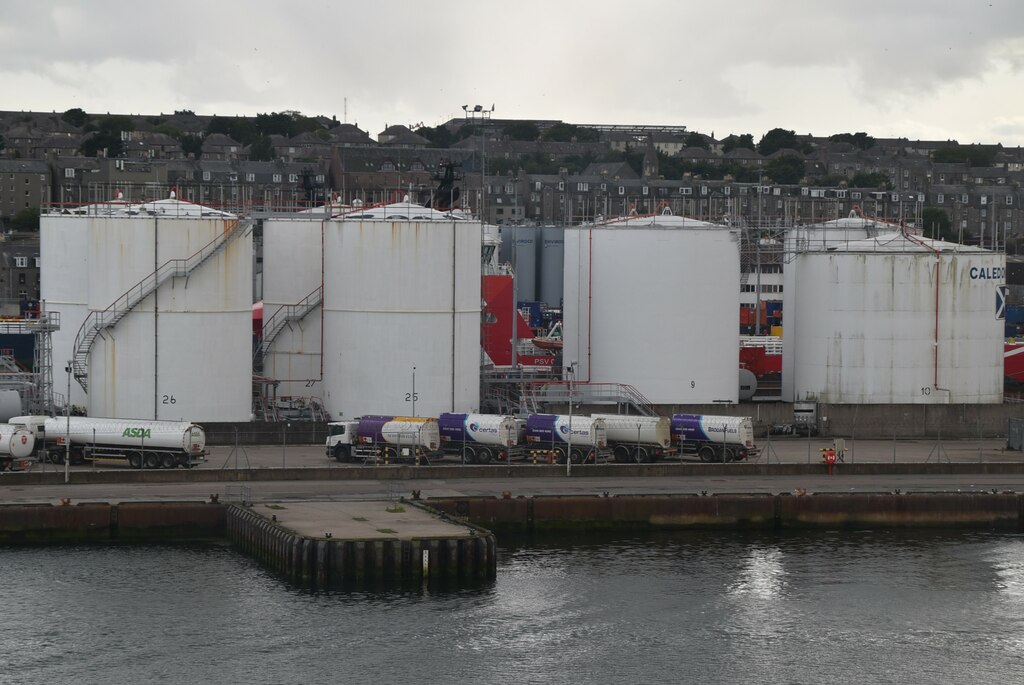
170 questions over a 7.5-hour day, 140 scored, passing at a scaled 400. The next deadline is January 7, 2027, and the fees that go with it.
API 510 is 170 questions across a 7.5-hour day, 140 of them scored, passing at a scaled 400. Windows, deadlines and fees through 2027.
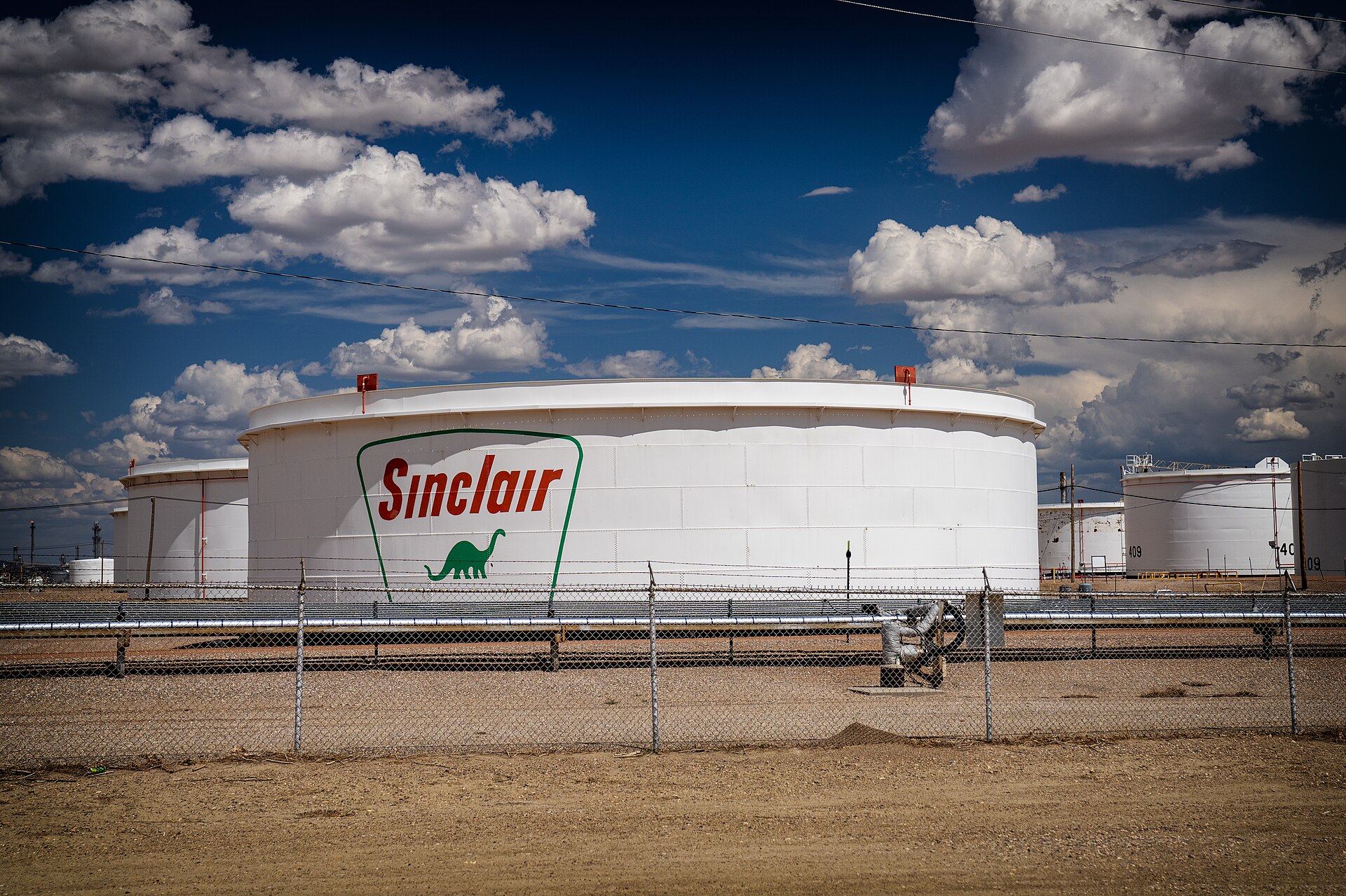
The March 2027 API 653 effectivity sheet moves API 650 to its 14th Edition and ASME BPVC to 2025. Every change, and what it does to your study plan.
Three free API 653 practice questions with full explanations, plus the exam structure, the 2027 code editions, dates and fees you need before you sit.
One short email when there is something new for your exam. Unsubscribe in one click.