My 4 engineering books go FREE on Kindle Fri 6 – Tue 10 Nov (PT). See the books → FREE on Kindle now: all 4 engineering books, until Tue 10 Nov 11:59 pm PT. Ends in . Grab yours → My 4 books: FREE on Kindle Fri 6 – Tue 10 Nov (PT). See → FREE on Kindle now: 4 books, left Grab yours →

ASNT UT Level II Study Plan: Week by Week

By Sandeep Bandyopadhyay, Senior aerospace engineer · PMP, MBA, Six Sigma

TL;DR

A good ASNT UT Level II plan has four phases, not a fixed number of weeks. First pin down the velocities you carry. Then make Snell's law automatic, drill the quantitative core of near field, impedance, decibels and angle-beam geometry, and finish by applying acceptance criteria that are handed to you. Keep an error log, work back from your exam date, and check which General outline that date falls under.

Original questions, not exam dumps. Every CertCrafter question is written from the published body of knowledge and the referenced codes. None is copied from a live exam, and CertCrafter is independent: not affiliated with or endorsed by any awarding body.

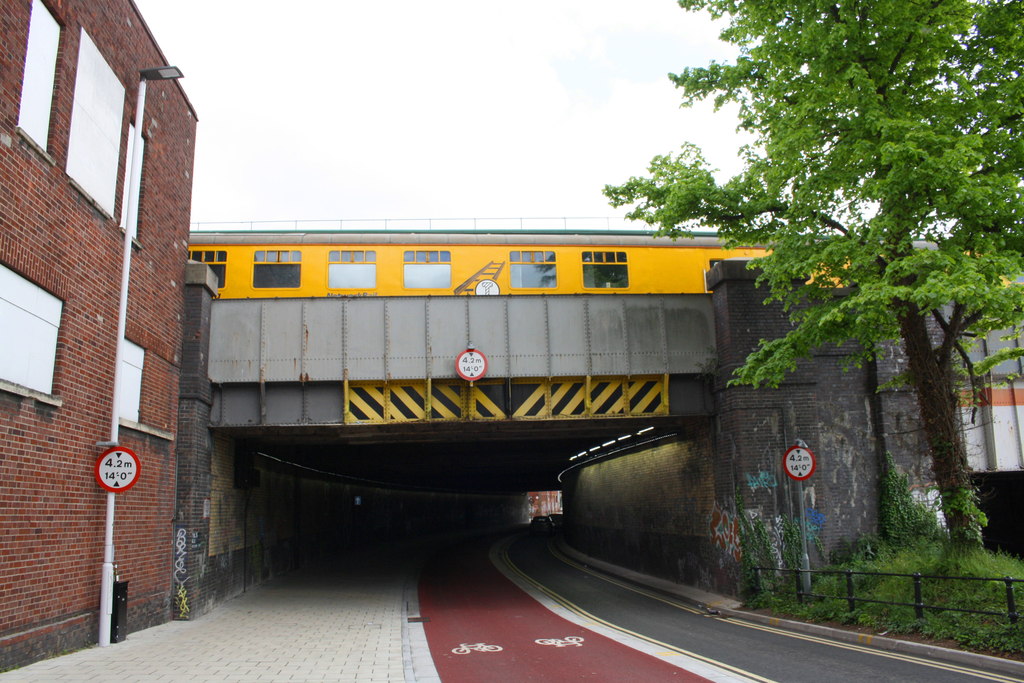
An ultrasonic test coach standing in a railway yard
Photo: Ultrasonic coach of test train on bridge over Cattle Market Road - geograph.org.uk - 5663849 by Roger Templeman (Wikimedia Commons), CC BY-SA 2.0, via Wikimedia Commons.

Most ASNT UT Level II plans fail in the same spot: weeks of reading, a few days of calculation practice. The exam is built the other way round, because most of what you are asked is a setup decision or a small piece of arithmetic.

What should an ASNT UT Level II study plan contain?

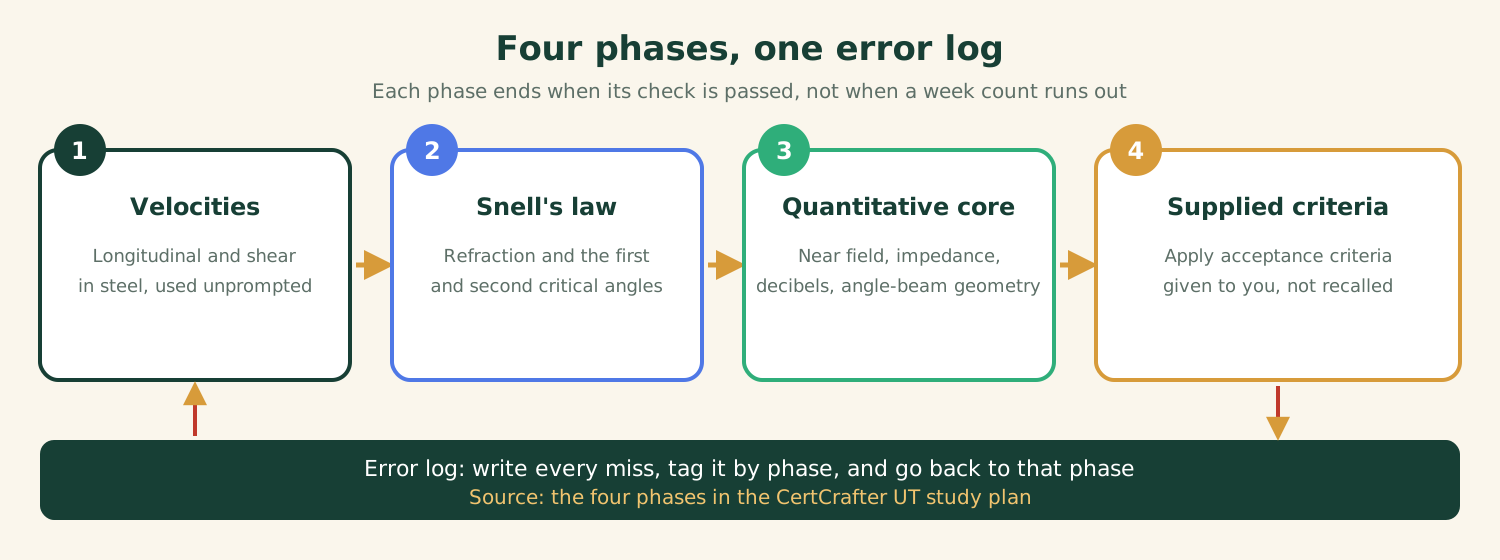
Four phases, in order. ASNT’s central route has a General exam of 50 items in 2 hours and a Specific exam of 40 items in 2 hours, both closed book. ASNT publishes no fixed pass percentage, so a plan built around a target percentage has nothing to hold on to.

Phase What you do How you know it is done
1. Velocities Carry the standard longitudinal and shear velocities in steel You use them without looking them up
2. Snell’s law Work refraction and both critical angles You sketch the beam path before the maths
3. Quantitative core Near field, impedance, decibels, angle-beam geometry Your arithmetic slips shrink
4. Supplied criteria Apply acceptance criteria you are handed You decide from the page, not from memory
Four study phases from velocities to supplied criteria, with an error log arrow feeding back to the first and last phases
The four phases and the log that sends you back. Illustration: CertCrafter, from ASNT NDT Level II Examinations: Information and Scheduling.

No hours appear in that table. That is deliberate. A technician with years on weld scans needs a shorter phase 3 than someone who has only run thickness gauges.
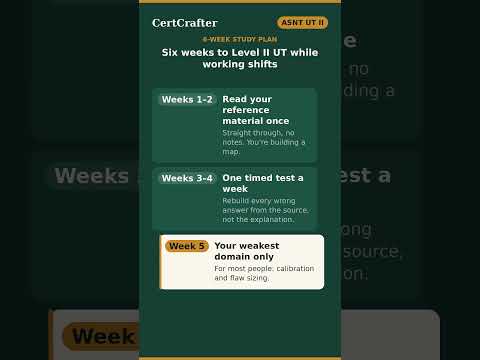
Video: ASNT UT II — Six weeks to Level II UT while working shifts. ASNT UT II — Six weeks to Level II UT while working shifts. Watch on YouTube · CertCrafter
Image: video thumbnail, source: CertCrafter on YouTube (@certcrafters).

If you work shifts, our channel has a short on six weeks to Level II UT while working shifts.

What do you learn first, and why in that order?

Velocities first. Almost every later calculation starts from one: depth from time, angle from a wedge, wavelength from frequency. If you hesitate over the shear velocity in steel, you will hesitate on every angle-beam question that follows.

Snell’s law is next, and it is the one idea worth over-learning. Refraction explains why a wedge works, why there is a window between the first and second critical angles, and why a probe chosen for steel behaves differently on a different material. Our UT physics post covers the reasoning in more detail.

Then comes the quantitative core. Near field, acoustic impedance and reflection, decibel ratios, and the angle-beam geometry that gives surface distance, depth, second-leg depth and skip distance. Those four get a whole phase because they are where marks slip.

How do technicians learn this on the job?

Not from a syllabus. On a weld scan you meet it as a wedge that is worn, a root signal hiding under noise, a casting where the back wall fades. You learn Snell’s law because the beam is not where you thought it was.

Copy that. Take one real setup, say a single-V butt weld in plate, and walk it end to end: which probe angle, where the index point sits, what the half skip and full skip distances are, where the root should appear on the screen. One setup followed through teaches more than five separate chapters.

The classic field mistake is to fix a noisy scan with gain. Gain lifts signal and noise together. A worn wedge with rounded damping serrations needs replacing, then the exit point and angle need reverifying. That very situation is in our free questions, so try the sample and see how the stem is framed.
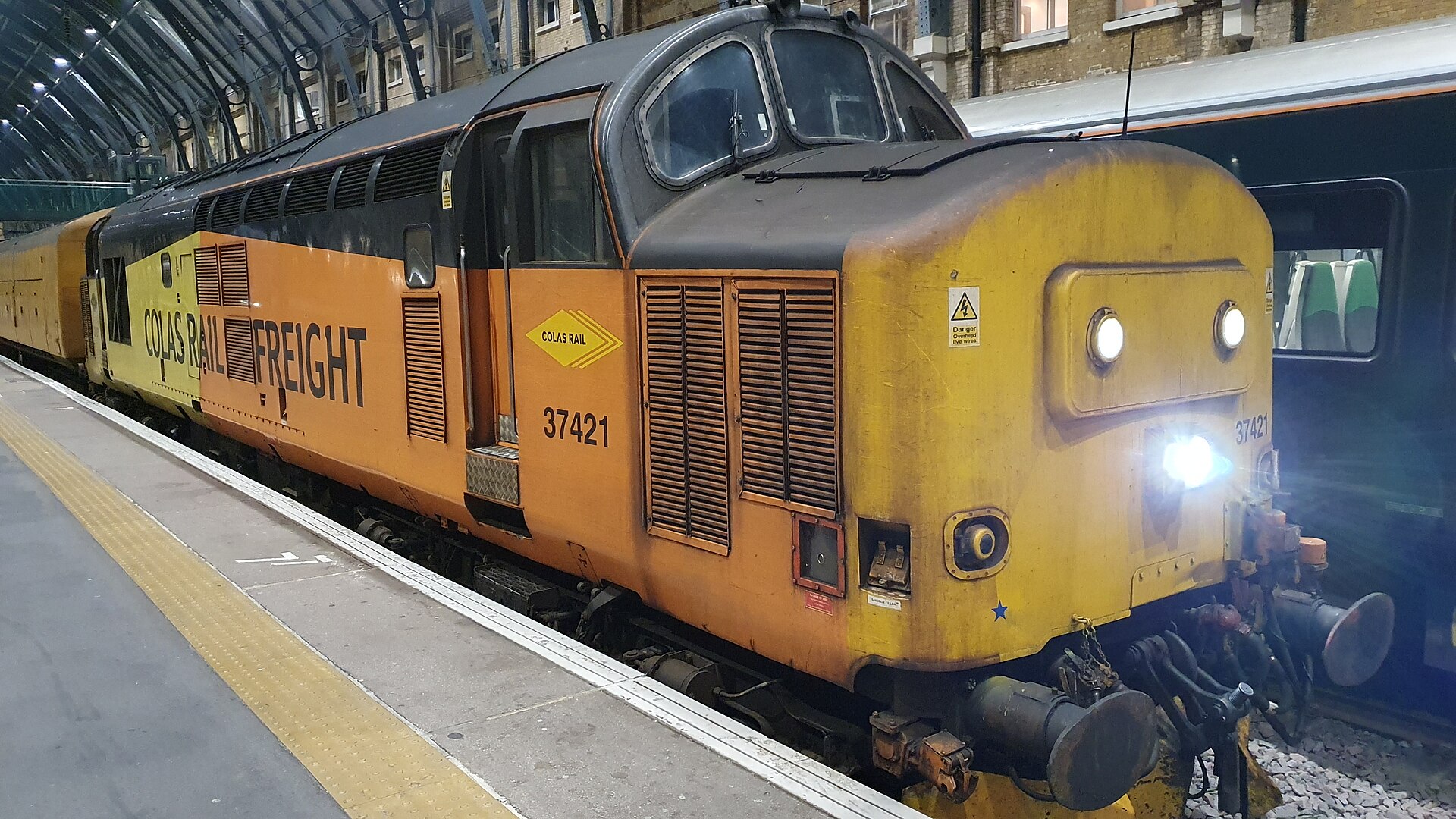
An ultrasonic test train standing at a London station platform
Photo: 37421 Ultrasonic test train at King's Cross 2024-10-03 by James Petts (Wikimedia Commons), CC BY-SA 2.0, via Wikimedia Commons.

How do you practise phase 3 so it sticks?

Closed-book, by hand, with a calculator you are allowed to use. ASNT’s exam pages point to a computer-based testing and calculator demo, so practise on that format, not on scrap paper in your own style.

Do short blocks, not marathons. Ten minutes on impedance, then a break, then decibels. Write down every step, because the typical error is an order error: squaring too early, forgetting to subtract the reflected share, or reading a ratio as an energy figure. Our worked examples post shows that discipline step by step.

The ASNT UT Level II practice test bundle works these under timed conditions, with every answer explained.

Worked example: counting back from a January exam

Say you want to sit the General exam on 29 January 2027, so that the outline for exams before 5 February 2027 applies.

  1. ASNT asks you to allow 2 to 4 weeks for application review. Four weeks before 29 January is 1 January, so the application must be in by then, and earlier is safer.
  2. After approval you must schedule through MyCert and finish every exam you applied for within one year of the approval letter. Cancel or change at least 48 hours ahead, or you lose the fee.
  3. Now test the bad case. If you fail on 29 January, the 30-day waiting period runs to 28 February, and you also need a new approval letter. Your retake falls after 5 February, so it sits under the new outline.

That third step is the one people miss. A failed first attempt does not just cost money, it can move you onto a different list of topics. ASNT’s fee table gives a retake at $370 for members and $410 for nonmembers, against $740 and $820 for the initial UT exam.
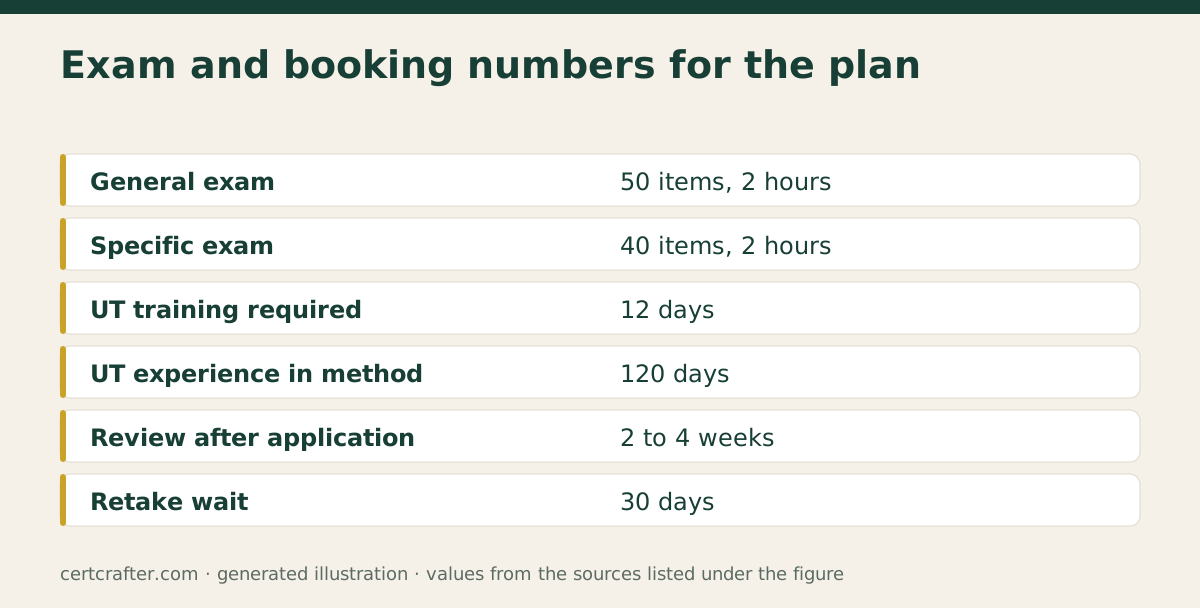
Planning numbers: General 50 items in 2 hours, Specific 40 items in 2 hours, 12 days UT training, 120 days UT experience, 2 to 4 weeks review, 30-day retake wait
The numbers your calendar has to respect. Illustration: CertCrafter, from ASNT NDT Level II Examinations: Information and Scheduling.

What goes in the error log?

The log turns practice into progress. Tag each miss by type: a velocity or constant, a refraction sketch, an arithmetic order slip, a setup decision, or a criterion applied wrongly. Then write the line that settles it.

After a few blocks the pattern shows. Mostly arithmetic misses send you back to phase 3. Setup decisions mean phase 2, because the beam path in your head is wrong. Criterion errors mean phase 4, and the usual cause is relying on a limit you remember when the stem supplied a different one.

Where do candidates go wrong with study plans?

They study the wrong outline. ASNT’s pages list the UT General topics twice, once for exams prior to 5 February 2027 and once for exams after it, and our 2027 changes post lays them side by side. They also confuse ASNT central certification with employer SNT-TC-1A certification, which is a different route. And they skip the paperwork: the UT route lists 12 days of training and 120 days of experience in the method, and documents are checked before you can schedule. More traps are in the common mistakes post.

What to do next

Write your exam date at the top of a page, then draw the four phases backward from it, leaving the application window at the far end. Check which General outline your date falls under before you open a single note.

The certification guide has the domains and route facts, and the study guides hub lists the rest.

Try these free questions

  1. Wedge noise from a 70 degree shear probe is filling the first 15 mm of the sweep and masking root signals on a 20 mm weld. The wedge is visibly worn and its damping serrations are rounded off. What setup change should be made?

    1. Raise the gain by 12 dB so that genuine root indications stand up above the wedge noise level
    2. Advance the reject control until the noise disappears from the baseline and rescan the weld
    3. Fit a wedge with intact damping serrations and an unworn face, then reverify the exit point and angle
    4. Change to a 5 MHz probe so that the noise is scattered in the wedge before it can return to the element
    Show the answer and explanation

    Answer: C. Wedge noise is sound that has bounced around inside the plastic shoe and returned to the element instead of being absorbed. Wedges control it with attenuating material and serrations or an angled tail that break up the internal reflections, so a wedge worn smooth loses that control and the noise grows until it fills the early part of the sweep. Fitting a wedge in good condition removes the source, and because a new or replacement wedge changes the exit point and can change the refracted angle, both must be reverified before scanning. Raising the gain lifts the noise by the same amount as the signal, so the ratio is unchanged and the trace simply saturates. The reject control suppresses low amplitude signals but is non-linear on many instruments and hides small real indications along with the noise, which is why procedures normally forbid its use. Changing frequency alters resolution and penetration and does nothing to stop internal reflections in a worn shoe.

  2. A procedure needs one reference reflector that will give a comparable response to 45, 60 and 70 degree probes so a single distance amplitude curve can serve all three on a 50 mm weld. Which reflector suits the job, and why?

    1. A flat-bottom hole drilled normal to the entry surface, which presents a flat face of known area
    2. A square machined notch on the far surface, which forms a corner trap of known depth
    3. A saw cut parallel to the scanning surface, which mimics the orientation of a lamination
    4. A side-drilled hole, whose cylindrical surface answers similarly over a wide span of angles
    Show the answer and explanation

    Answer: D. A side-drilled hole is a cylinder lying across the beam, so whichever angle the sound arrives at, it meets a curved surface presenting essentially the same geometry. That angular indifference is exactly what allows one hole to serve several refracted angles and is why side-drilled holes are the standard reference reflector for angle beam sensitivity and DAC. A flat-bottom hole is strongly angle dependent, giving a maximum response only when the beam strikes its flat face squarely, which suits straight beam work and area amplitude comparisons rather than a shared angle beam curve. A far surface notch is highly directional too, since the corner trap works properly only over a limited range of incident angles, and it is used to check root sensitivity and angle rather than to build a general curve. A saw cut parallel to the scanning surface is designed to represent laminations under a normal beam and would be almost invisible to an angle beam.

Take the full free 10-question sample with scoring →

Frequently asked questions

How many weeks should I study for ASNT UT Level II?

ASNT publishes no recommended study time, so any fixed number of weeks is a guess. Count back from your exam date, give the last phase to timed practice, and let your error log tell you when you are ready.

Do I need to memorize the acceptance criteria?

No. The Specific examination works with criteria that are supplied to you, so the skill is applying them. Memorized limits from one code edition can mislead you on the next.

Can I study from the old General outline?

Only if your exam date is before 5 February 2027. ASNT lists one UT General outline for exams prior to that date and a different, task-based one for exams after it.

Official sources

  1. ASNT NDT Level II Examinations: Information and Scheduling — accessed 4 November 2026
  2. ASNT NDT Level II Certification: Foundational Credential — accessed 4 November 2026

Exam rules change. Check the awarding body's official page before you apply. CertCrafter is independent and is not affiliated with or endorsed by any awarding body.

Was this helpful?

Comments

    Comments are read by a person before they appear. How we moderate.